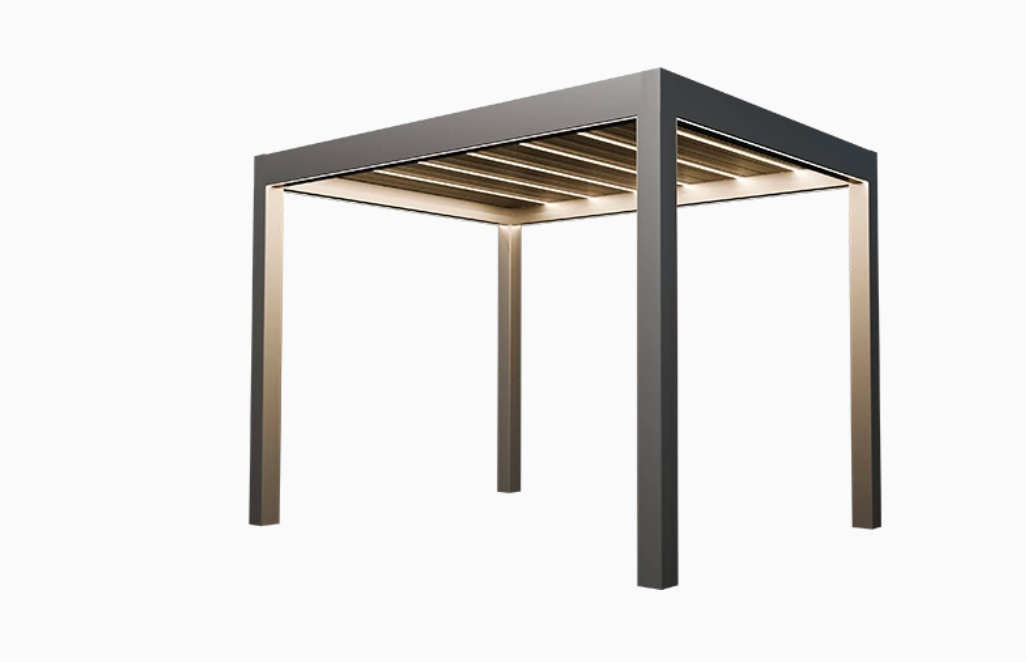
The patio looks perfect at 9 a.m. By 2 p.m., the seats are too hot to touch. Then a brief shower arrives just as dinner is served. The problem is not the patio furniture or the view. It is a roof that cannot adapt when sunlight, heat, wind and rain change.
A motorized louvered pergola replaces that fixed compromise with an adjustable aluminum roof. Open the louvers for daylight, angle them to create shade while releasing warm air, or close them when light rain begins. This guide explains the everyday problems the system can solve, the trade-offs it cannot remove, and the questions worth asking before you buy.
The short answer
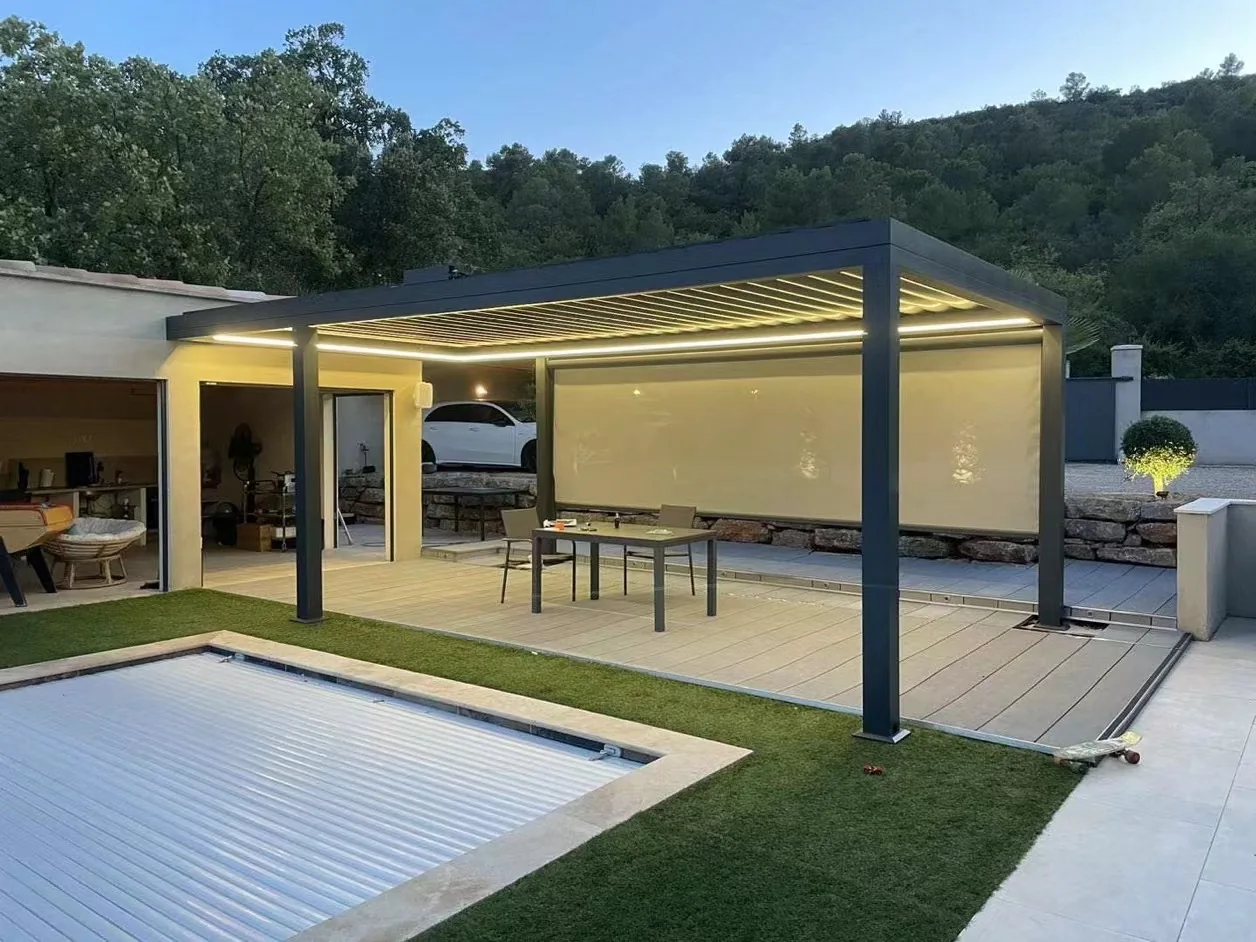
A motorized louvered pergola is most useful when one outdoor area needs to serve several purposes. Its rotating roof blades let users balance shade, daylight, ventilation and light-rain protection without building a permanently dark solid roof. Optional side screens and lighting can make the same space more comfortable for work, dining and evening gatherings.
It is not a sealed indoor room, and performance depends on correct engineering, drainage, installation and local weather requirements. The best result starts with the site—not with a list of accessories. For broader design context, the Whole Building Design Guide explains how exterior shading devices should respond to solar orientation and building performance.
Why attractive outdoor spaces still go unused
Most patios fail in ordinary moments, not dramatic storms. Direct afternoon sun creates glare and overheats seating. A solid cover can solve the glare but block welcome winter light and hold warm air below it. A traditional open pergola looks airy, yet offers limited help when rain interrupts a meal.
This is the central design problem: outdoor conditions move, while conventional roofs do not. An adjustable louvered roof changes the building element instead of asking people to keep moving chairs, umbrellas and cushions.
| Roof type | Sun control | Airflow | Light-rain response | Main compromise |
|---|---|---|---|---|
| Traditional fixed pergola | Partial and fixed | Open | Limited | Shade pattern cannot change |
| Solid patio roof | Full fixed shade | Can trap warm air | Good when correctly drained | Permanent loss of overhead light |
| Motorized louvered pergola | Adjustable | Adjustable | Closed-roof protection when correctly installed | Higher complexity and planning needs |
7 everyday problems a motorized louvered pergola can solve
1. The afternoon sun makes the patio uncomfortable
A west-facing patio may be pleasant at breakfast and nearly unusable by late afternoon. Direct sunlight creates glare, heats dark furniture and forces guests to crowd into a narrow strip of shade.
Motorized louvers allow the roof angle to follow the changing sun. Instead of choosing only “open” or “closed,” users can tilt the blades to interrupt direct rays while retaining indirect daylight. The useful setting will depend on roof orientation, season and latitude, which is why sun-path planning matters before production.
2. A solid roof creates shade but holds hot air
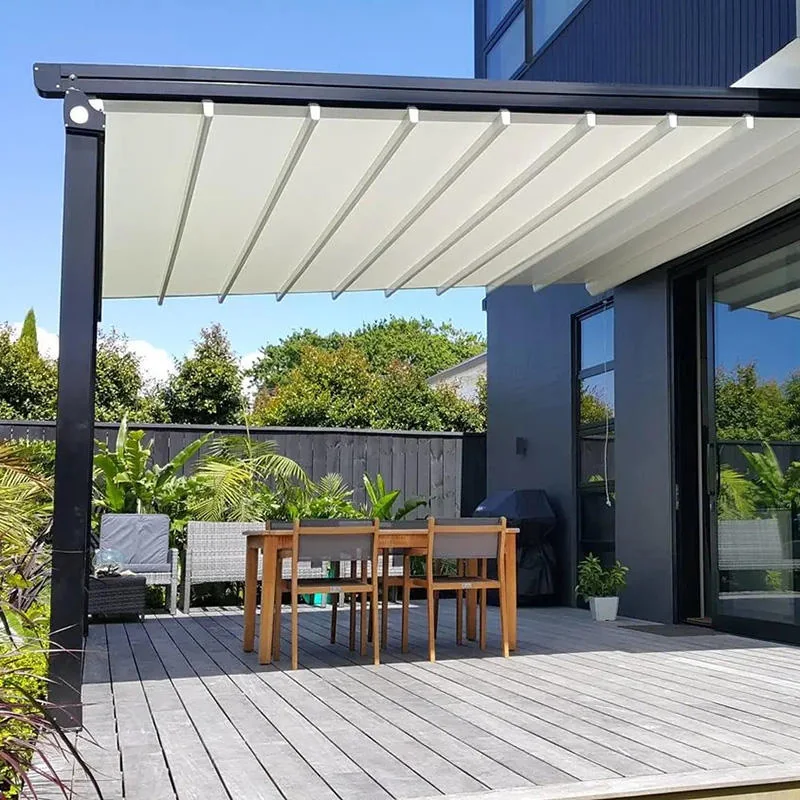
Permanent shade does not always mean comfort. On a still day, warm air can collect beneath a solid cover, leaving the seating area dark and stuffy.
Angled louvers create an escape path above the roof while continuing to block much of the direct sun. This natural ventilation is one of the most practical louvered pergola benefits: the roof can reduce glare without removing the open-air character that made the patio appealing in the first place. In very hot or humid climates, ceiling fans may still be useful; the pergola is environmental control, not air-conditioning.
3. A short shower ends every outdoor meal
Weather does not need to be severe to disrupt outdoor living. Even light rain can send food, cushions and guests indoors when the roof is open or made from fixed slats.
When a properly designed louvered roof closes, the blades overlap and guide water toward integrated perimeter gutters and down through the posts. The exact drainage path should be planned around the foundation and local rainfall, not decided after installation. A closed louvered roof is designed for outdoor weather protection, but it should not be described as a sealed indoor ceiling; wind-driven rain and extreme conditions require project-specific evaluation.
4. The patio consumes space but earns little use
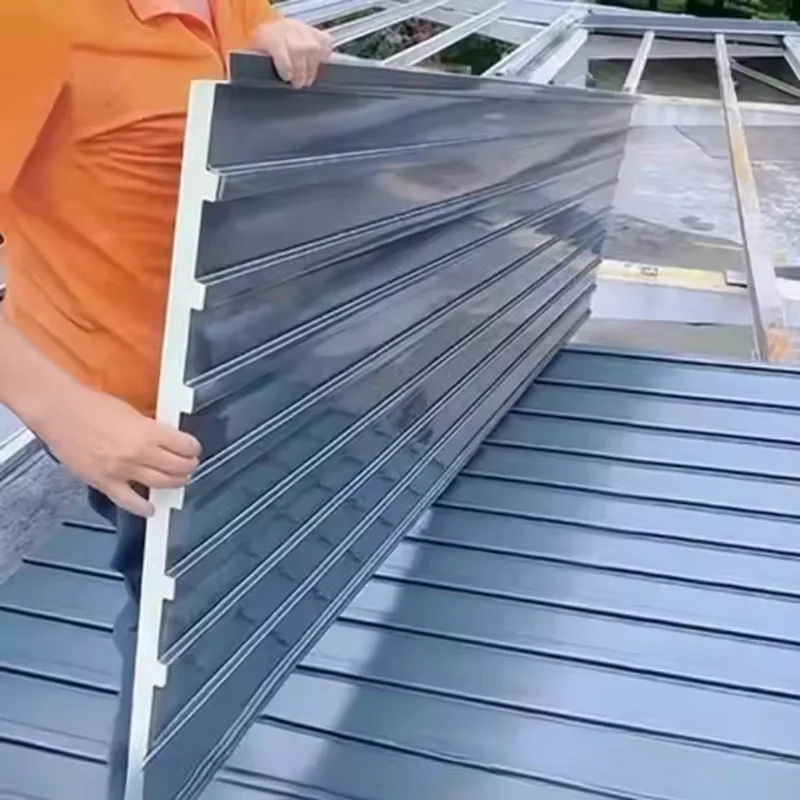
A large patio is an expensive surface if it works only on mild, cloudless days. The hidden cost is not merely unused square meters; it is the outdoor breakfast, family gathering or restaurant table that moves inside whenever conditions change.
A smart pergola makes one footprint useful for more activities. Open it for morning light, angle it for an afternoon workspace, close it during a passing shower, then use integrated lighting after sunset. For hospitality projects, the same flexibility can help a terrace remain operational through more of the day, although actual use will always depend on climate, local rules and the complete project design.
See how the system can be configured for different sites in our customer project stories and product videos.
5. Low sun, wind and neighboring views reduce privacy
The roof solves only the conditions above. Morning or evening sun can enter from the side, wind can cross the seating zone, and a close property line can leave an otherwise comfortable patio exposed.
That is where coordinated side protection matters. A motorized outdoor windproof blind can be lowered on the affected elevation for shade and privacy, then retracted to reopen the view. Sliding glass, fixed panels or screens may suit different projects. The goal is not to enclose every side, but to solve the specific exposure without losing useful airflow.
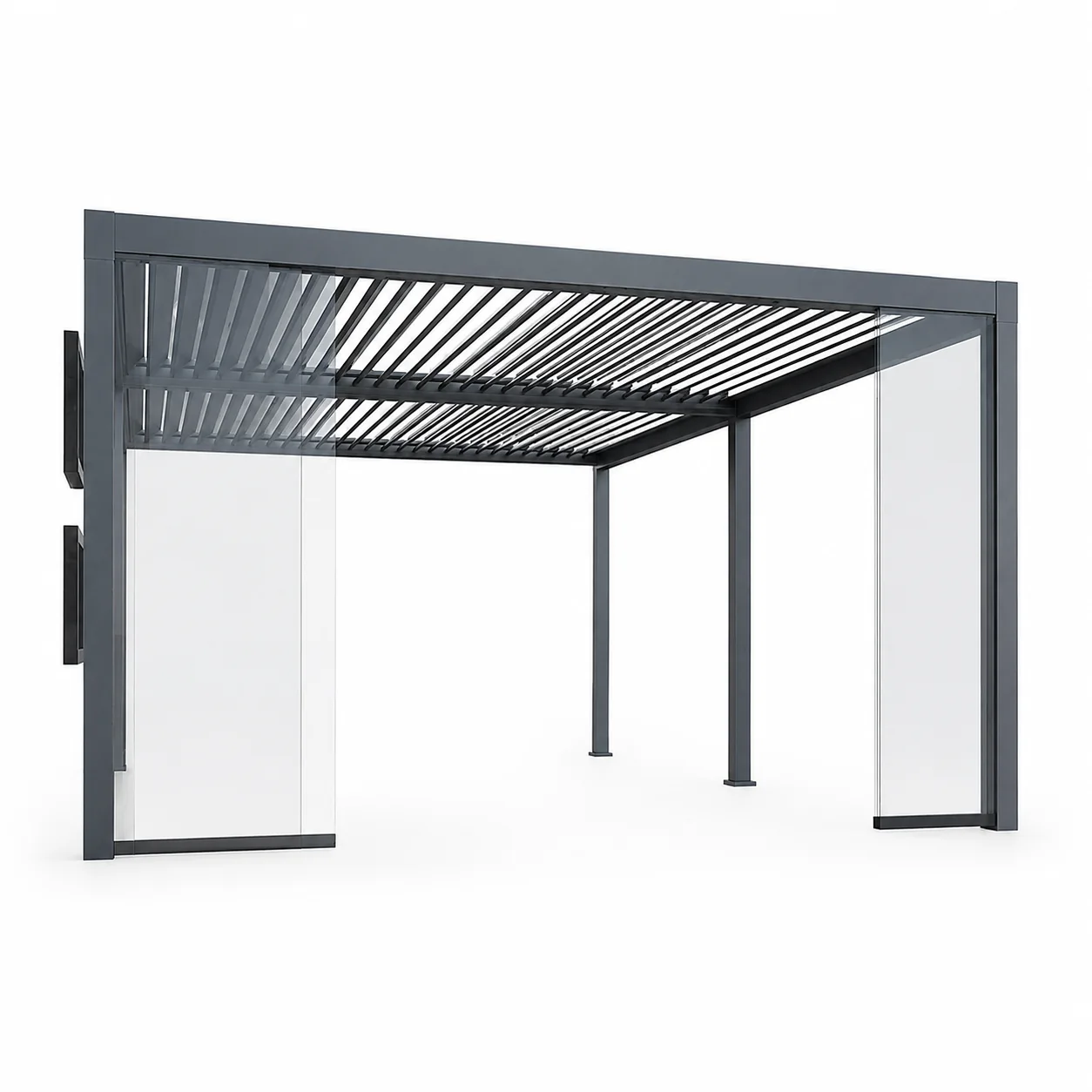
6. Furniture and finishes face constant exposure
Outdoor-rated does not mean maintenance-free. Repeated sun, dust and moisture can fade fabrics, soil cushions and shorten the useful life of accessories left in the open.
Closing the roof when appropriate and adding targeted side screens can reduce routine exposure. However, cushions should still follow their manufacturer’s care instructions, gutters need cleaning, and valuables should be moved during severe weather. A responsible design reduces avoidable wear; it does not turn outdoor furniture into indoor furniture.
7. A high-maintenance structure becomes another weekend job
Painted timber can be beautiful, but it may require periodic staining or sealing and can move as moisture changes. A motorized roof also needs stable blade geometry, so material consistency is especially important.
Powder-coated aluminum is widely used because it does not rot and generally needs less routine surface maintenance than painted wood. It still requires sensible care: remove leaves from gutters, rinse dirt and salt deposits, inspect fasteners and drainage outlets, and service the motor or control system according to the supplier’s guidance. Our warranty and after-sales information explains why documentation and replacement-part support should be evaluated before ordering.
How an adjustable louvered roof works
The system combines structural aluminum profiles with linked roof blades, a motor, control components and water-management channels. When the motor drives the linkage, the louvers rotate together through their designed range. The user selects the position with the supplied control method; optional automation depends on the chosen motor and sensor package.
- Open: admits overhead light and maximizes the open-air feeling.
- Angled: balances shade, indirect daylight and ventilation.
- Closed: creates continuous overhead cover and directs water toward the drainage system.
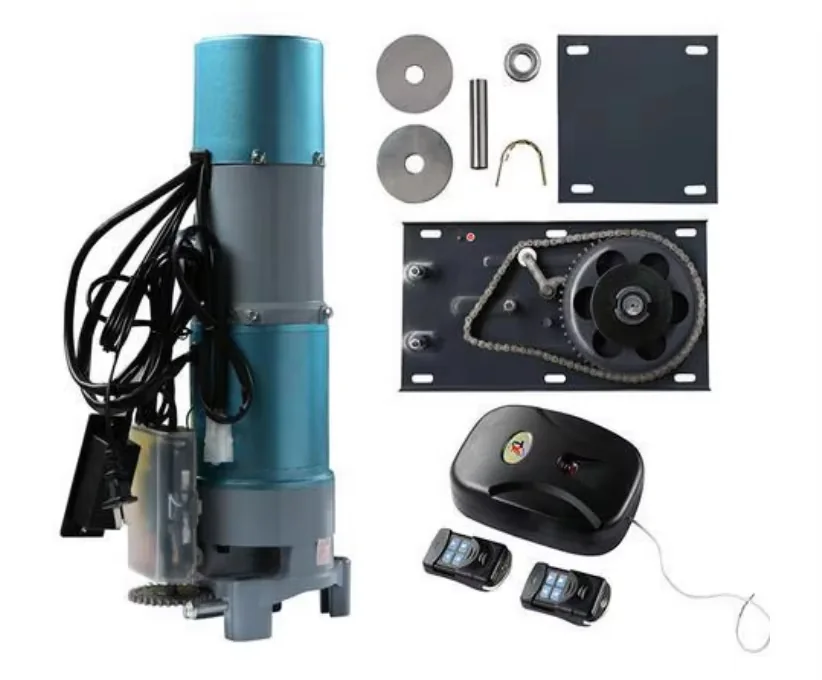
This is why a product should be evaluated as more than a frame with rotating slats. Profile thickness, blade fit, drive access, cable routing, gutter capacity, fasteners, surface finish, packaging and installation instructions all influence the result. Visit the LINGYUE factory overview and quality-control process to see the production questions we consider before shipment.
What a motorized louvered pergola cannot solve
A trustworthy specification includes limits. A pergola remains an outdoor structure, and adding a motor does not remove the need for structural design, permits, suitable foundations, safe electrical work and professional installation.
- It is not automatically suitable for every wind or snow zone. Required loads must be confirmed for the installation address and configuration.
- It is not a fully insulated room. Closed louvers and side screens improve shelter but do not create the thermal or acoustic performance of a building addition.
- It cannot correct poor drainage planning. Water needs a deliberate route from roof to ground.
- It is not maintenance-free. Moving parts, gutters, finishes and connections need inspection.
- It may be more system than a simple site needs. If the only requirement is occasional seasonal shade, a motorized retractable awning, full-cassette awning or cantilever parasol may be a more proportionate solution.
A practical buyer checklist
The most useful quotation starts with project facts. Before comparing prices, collect the information that affects engineering, comfort and installation.
- Measure the intended roof coverage. Record width, projection and available height, not only the patio perimeter.
- Map the sun and exposure. Note morning and afternoon sun, prevailing wind, nearby walls and sightlines.
- Define the use. Dining, poolside seating, outdoor kitchens and commercial terraces create different clearance and accessory needs.
- Confirm structural requirements. Provide the installation location, foundation or wall condition, and any required wind or snow loads.
- Plan water discharge. Decide where each downpipe or post outlet can safely drain.
- Plan power and controls. Confirm voltage, cable routes, electrician responsibilities, remote or wall control, and whether sensors are required.
- Select only useful accessories. Screens, glass, lights and heaters should solve a documented need rather than fill a specification sheet.
- Ask about finish and samples. Color can appear different beside existing walls, windows and paving.
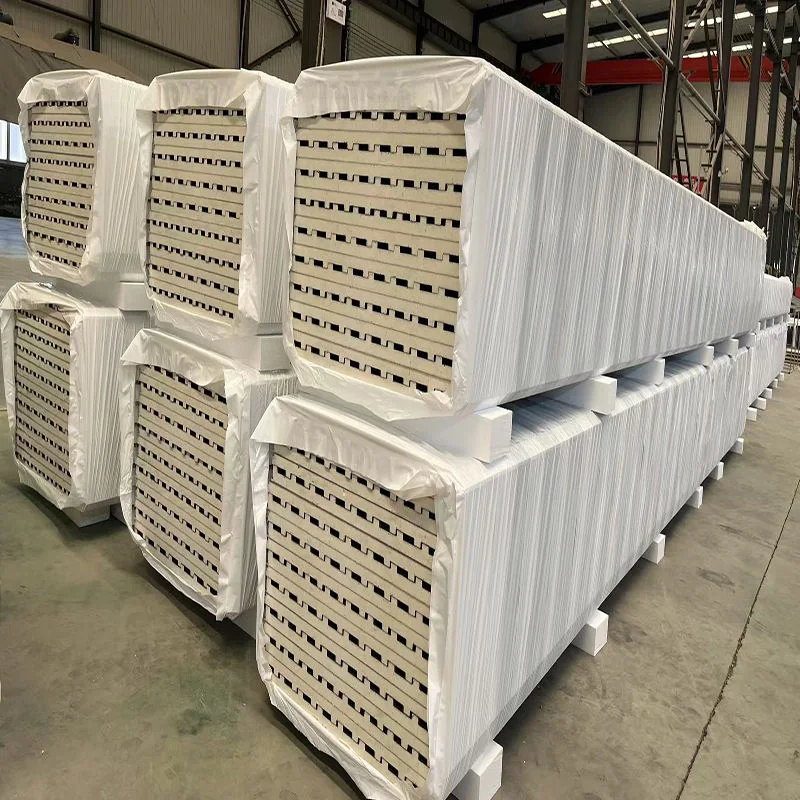
- Review packaging and installation support. For international projects, labeled components, protected finishes and clear drawings reduce avoidable site delays.
- Confirm warranty boundaries. Understand coverage for the structure, finish, motor, controls and installation responsibility.
From everyday problem to project specification
The strongest pergola brief does not begin with “I want every option.” It begins with a sentence such as: “The west sun makes this restaurant terrace unusable from 3 to 6 p.m., and brief summer rain interrupts service.” That statement tells a designer where to study orientation, drainage, side protection and control.
LINGYUE develops configurable outdoor systems for residential, hospitality and commercial projects. We connect product selection with material control, production checks, export packaging and project communication. Browse the full outdoor systems range, then share drawings, dimensions, site photos and performance requirements so the proposed configuration responds to the real problem.
Frequently asked questions
Is a motorized louvered pergola waterproof?
A correctly designed and installed closed roof is intended to manage rain through overlapping louvers, perimeter gutters and internal drainage. “Waterproof” should not be treated as an unlimited promise: wind-driven rain, drainage capacity, installation quality and severe weather affect performance. Ask for project-specific limits and maintenance guidance.
Can the louvers stay partly open for ventilation?
Yes. The main advantage of an adjustable louvered roof is the ability to angle the blades for a balance of shade, daylight and airflow. The best angle changes with the sun direction and desired comfort.
Is aluminum better than wood for a motorized pergola?
Powder-coated aluminum is commonly preferred for motorized systems because it is dimensionally consistent, does not rot and usually requires less surface maintenance than painted timber. Wood may suit a different architectural preference, but its movement and maintenance need careful consideration around linked moving components.
Do I need side screens?
Only if the site has a side-exposure problem. Screens are useful for low-angle sun, privacy, insects or moderate wind, depending on fabric and system choice. Keep sides open where views and cross-ventilation matter more.
Can a louvered pergola be attached to a building?
Systems may be freestanding or wall-attached, subject to the building structure, waterproofing details, loads and local approvals. The attachment point should be reviewed before production rather than improvised during installation.
What information is needed for a quotation?
Send the installation location, width, projection, height, photos or drawings, intended use, mounting condition, preferred color and accessories, and known wind or snow requirements. These details help the supplier prepare a relevant configuration instead of a generic price.
Make the outdoor space respond to real life
The real benefit of a motorized louvered pergola is not the movement itself. It is fewer moments when glare, trapped heat or a passing shower decides that the patio is closed. Start with the problem, specify the conditions honestly, and build the system around the way people will use it.