How to Use This Aluminum Pergola Buying Guide
If you are shopping for an aluminum pergola, the easiest part is choosing a design you like.
The harder part usually starts after that.
If you are shopping for an aluminum pergola, choosing a design you like is usually the easy part.
The harder part is deciding what will actually work for your patio.
This aluminum pergola buying guide focuses on the practical details worth checking before you order: size, sun direction, drainage, wind, louver orientation, wiring, screens, installation and total project cost.
A good aluminum pergola buying guide should help you avoid mistakes before the structure reaches your home, not simply tell you that aluminum is durable and low-maintenance.
How large should it actually be? Which way should the louvers run? Where will the rainwater go? Will a post end up in front of a door? Can you add screens later? Where does the motor cable come out? And is the cheapest quotation really quoting the same thing as the others?
This aluminum pergola buying guide is built around those questions.
Not around showroom photos. Not around a list of product features. Around the things worth checking at your own patio before you spend money on a structure that may stay there for many years.
1. Start With the Problem You Want the Pergola to Solve
Before measuring anything, ask yourself one question:
What is currently stopping me from using this outdoor space?
The answer matters more than the pergola style.
For some patios, the real problem is direct afternoon sun. For others, it is light rain. A poolside area may need shade without blocking the view. A dining space may need lighting at night. A windy terrace may eventually need side screens.
Those are different problems.
If all you need is occasional shade over a small seating area, a retractable awning may actually make more sense than building a permanent pergola.
If you want an outdoor area that feels more like a defined room, with adjustable overhead shade, drainage, lighting and possible side screens, a louvered aluminum pergola becomes more relevant.
Start with use, not product category.
How to Use This Aluminum Pergola Buying Guide
This aluminum pergola buying guide is designed for homeowners who want to compare the practical details before ordering, including patio size, sun exposure, drainage, louver direction, wiring, screens and installation.
2. Do Not Measure Only the Patio Floor
This is one of the first things I would check before asking anyone for a quotation.
A patio might measure 4 × 5 meters, but that does not automatically mean a 4 × 5 meter pergola will fit.
Walk around the space and look for everything that competes with the structure:
- Sliding doors
- French doors that open outward
- Windows
- Wall lights
- Drainpipes
- Air-conditioning units
- Steps
- Pool edges
- Existing gutters
- Roof overhangs
- Garden walls
- Furniture circulation
Then think about where people actually walk.
A post that technically fits on the paving may still be badly positioned if everyone has to walk around it every time they leave the kitchen.
A simple measurement method
Before requesting a quote, write down at least:
- Available overall width
- Available projection
- Desired finished height
- Distance from doors and windows
- Wall height if the pergola will connect to the building
- Location of drains and downpipes
- Any area where a post cannot be installed
Take a few wide-angle photographs too. Measurements tell part of the story; photographs often reveal obstacles that are easy to forget on a sketch.
3. Look at Your Patio at 9 AM, 1 PM and 5 PM
This costs nothing and can change what you buy.
Take one photo of the patio in the morning, another around midday and another in the late afternoon.
You are trying to understand where the uncomfortable sunlight actually comes from.
If the worst sun comes almost vertically from above, the roof is doing most of the work.
If the problem happens at 5 PM when sunlight comes in from the side, even a completely closed roof may leave you sitting in direct sun.
That is when a side screen can matter more than adding another meter of roof.
This is also why a pergola and a motorized zip screen solve different parts of the same comfort problem: one mainly controls the overhead area, while the other can help with low-angle side exposure.
You can explore the different outdoor shading systems on the LINGYUE product page, but make the decision based on where the exposure actually comes from.
4. Decide Whether You Really Want a Permanent Structure
An aluminum pergola changes the space even when the roof is open.
There will still be posts, beams and a visible roof frame.
That can be exactly what you want if the goal is to create an outdoor dining room or a more architectural extension of the house.
But if you love having completely open sky above the patio most of the time, think carefully before automatically choosing a pergola.
A retractable awning behaves differently. When it retracts, most of the overhead cover disappears back toward the building. A louvered pergola instead keeps the structure in place and changes the angle of the roof blades.
Neither approach is universally better.
The better question is:
What do I want this space to look and feel like when I am not using the shade?
That question usually makes the decision much easier.
5. Understand the Louvers Before Paying for a Motorized Roof
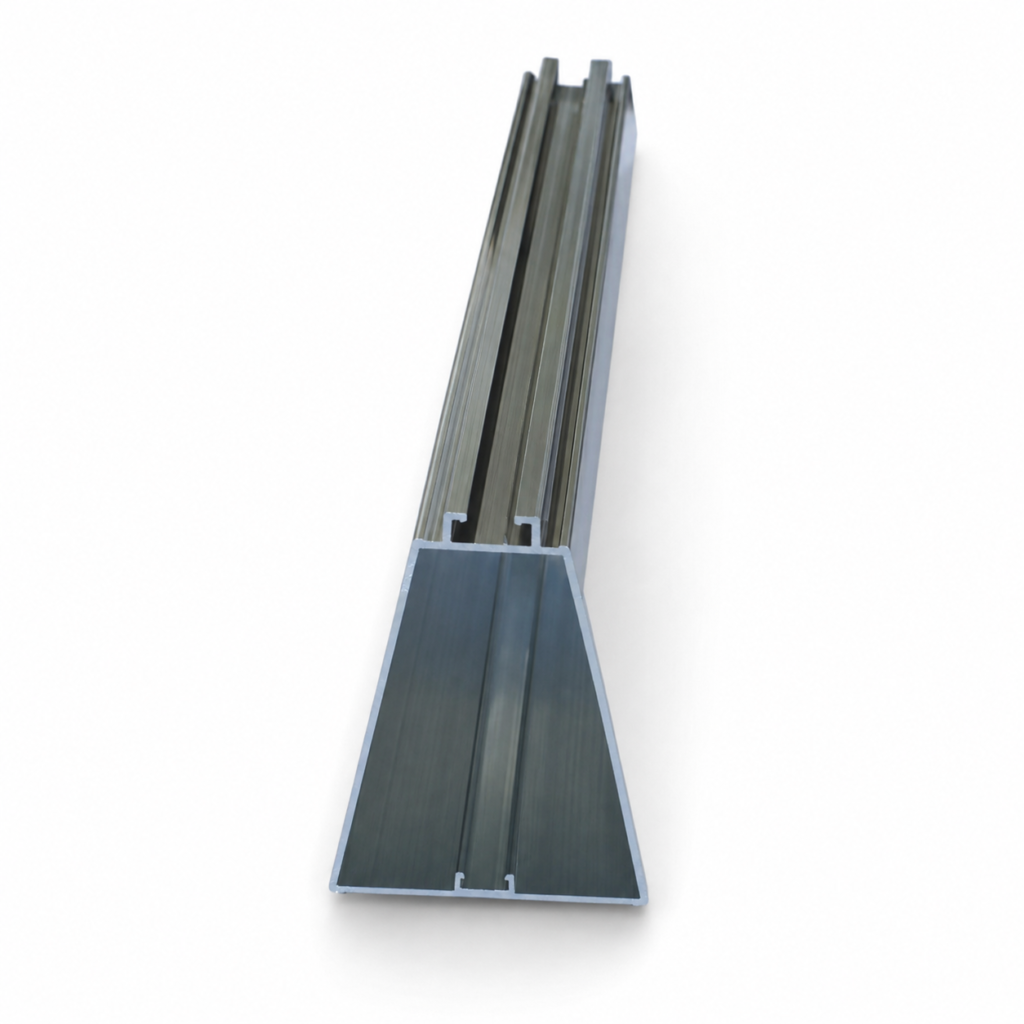
Motorized louvers look simple in videos: press the remote, the roof opens, press it again, the roof closes.
What matters in daily use is what happens between those two positions.
A useful louvered roof lets you change the amount of direct sun while still allowing some ventilation through the roof.
Before ordering, ask how the louvers rotate and think about their orientation relative to your house and the sun.
The direction can affect:
- How sunlight enters when the blades are partially open
- How much daylight reaches nearby indoor rooms
- How the space feels during different times of day
- Where rainwater is collected when the roof closes
If your patio sits directly outside a living room with large glass doors, this deserves extra attention.
A permanent roof structure that solves summer heat but makes the interior unnecessarily dark for the rest of the year may not feel like an improvement.
6. Follow the Rainwater All the Way to the Ground
When people look at pergola photos, they naturally look at the roof.
When I look at a pergola system as a buyer, I would also want to know where the water ends up.
For a louvered pergola with integrated drainage, the general idea is straightforward: water reaches the roof channels, moves into perimeter gutters and is directed through selected posts.
But that still leaves one important question:
Where does it come out?
Do not stop at “the pergola has drainage.”
Ask:
- Which posts are used for drainage?
- Where are the outlets positioned?
- Can the outlet direction be selected?
- Will the water discharge onto paving, soil or an existing drain?
- Could water collect near a doorway?
This sounds like a small detail until the first heavy shower sends roof water exactly where you did not want it.
Also remember that a louvered pergola is still an outdoor structure. A closed roof can manage overhead rainfall, but wind-driven rain can still enter through open sides.
If your goal is a completely enclosed room, that is a different design problem.
7. Do Not Buy an Aluminum Pergola Based on “6063” Alone
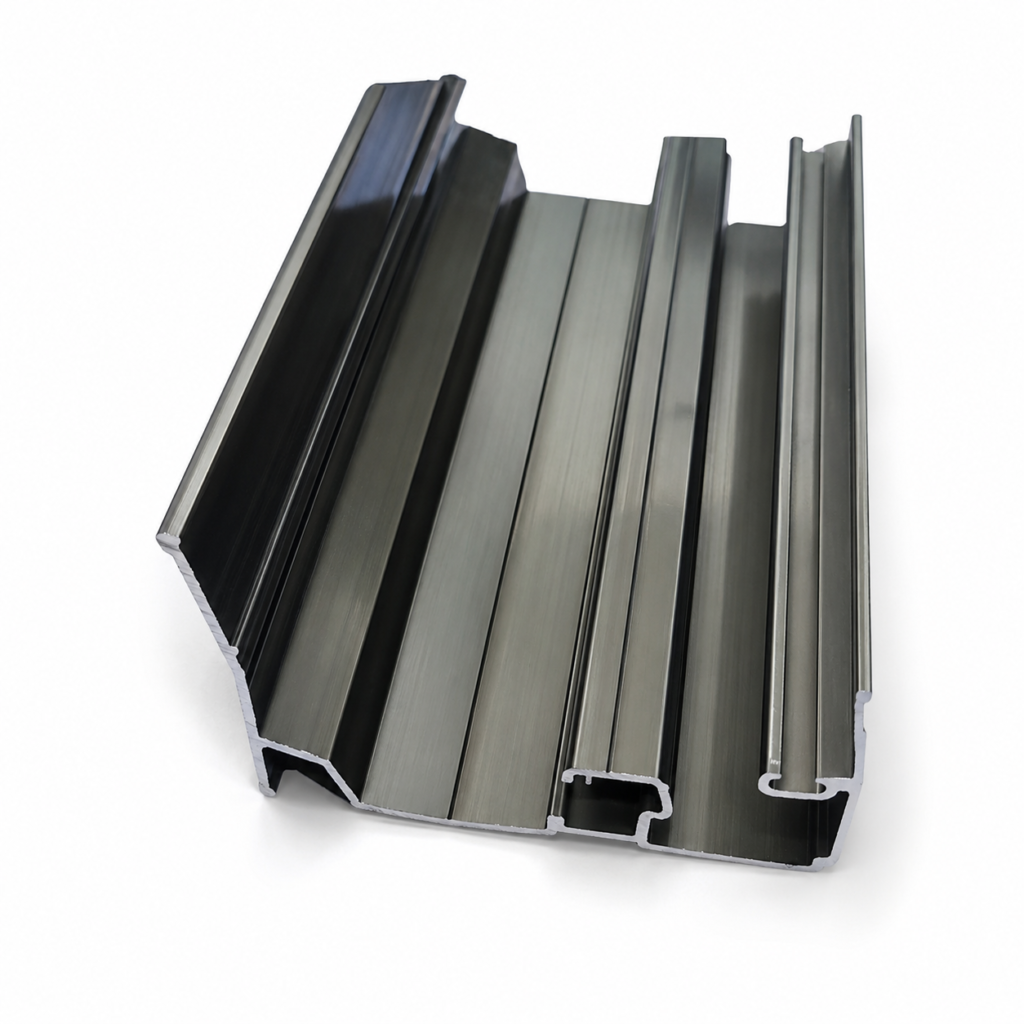
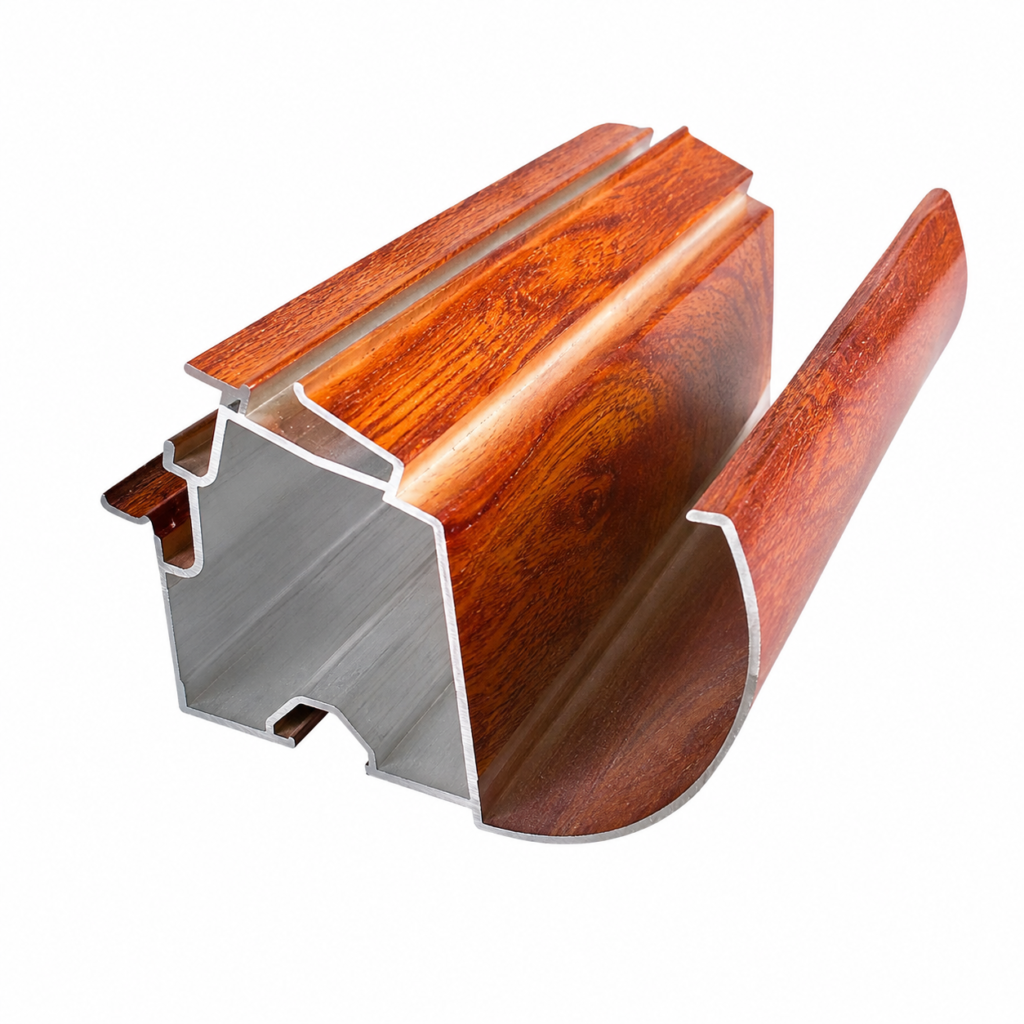
You will see numbers such as 6063-T5 on many aluminum pergola specifications.
That information is useful, but it is not a complete measure of quality.
The Aluminum Association identifies 6xxx-series extrusion products as a common choice for architectural and structural applications because this alloy family combines useful formability, strength and corrosion resistance.
But a pergola is not made from an alloy number alone.
You also need to consider:
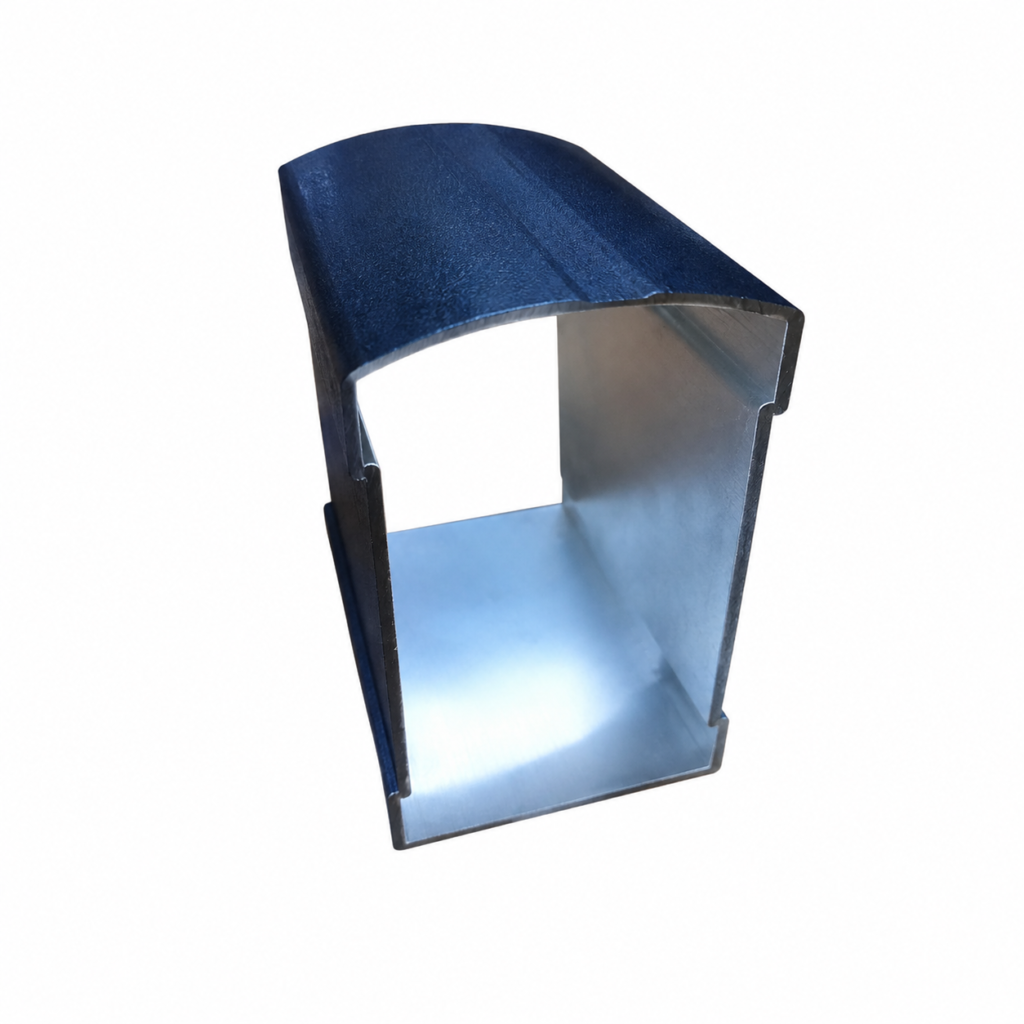
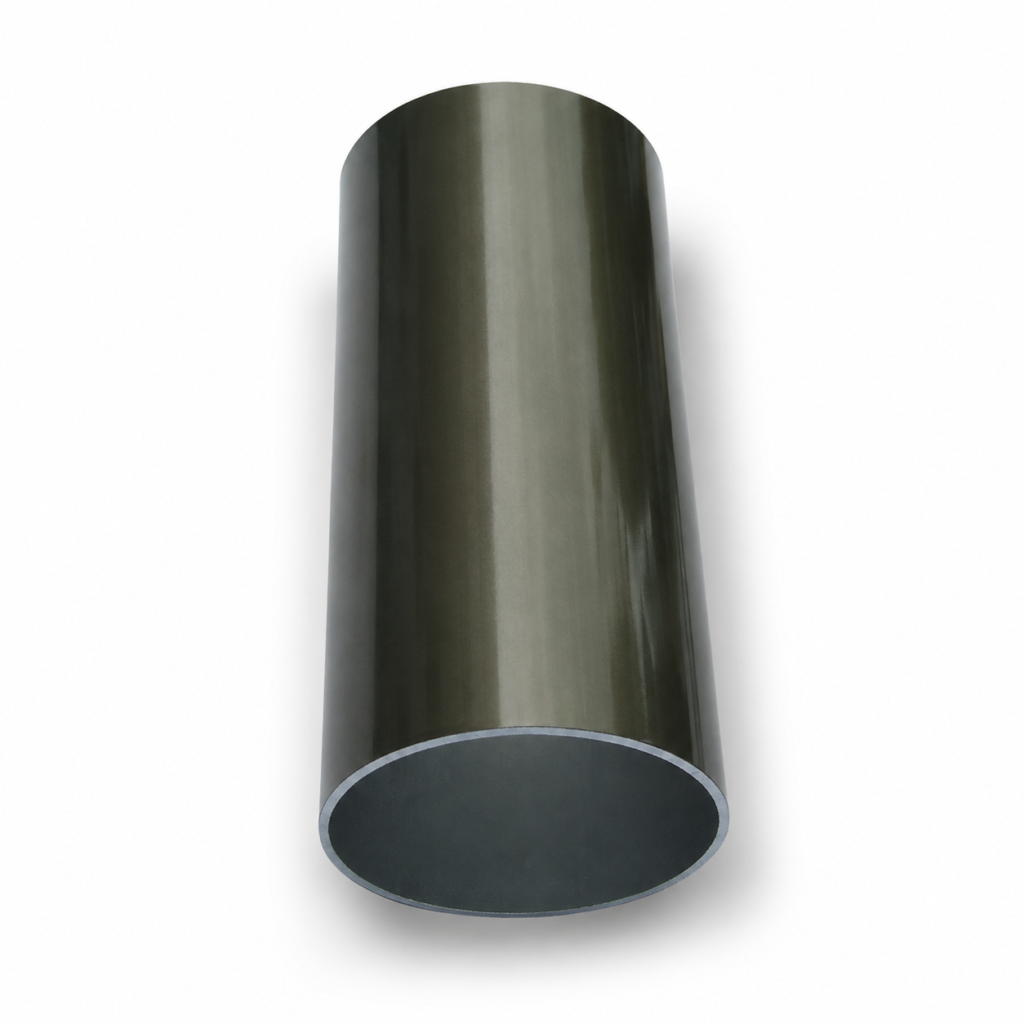
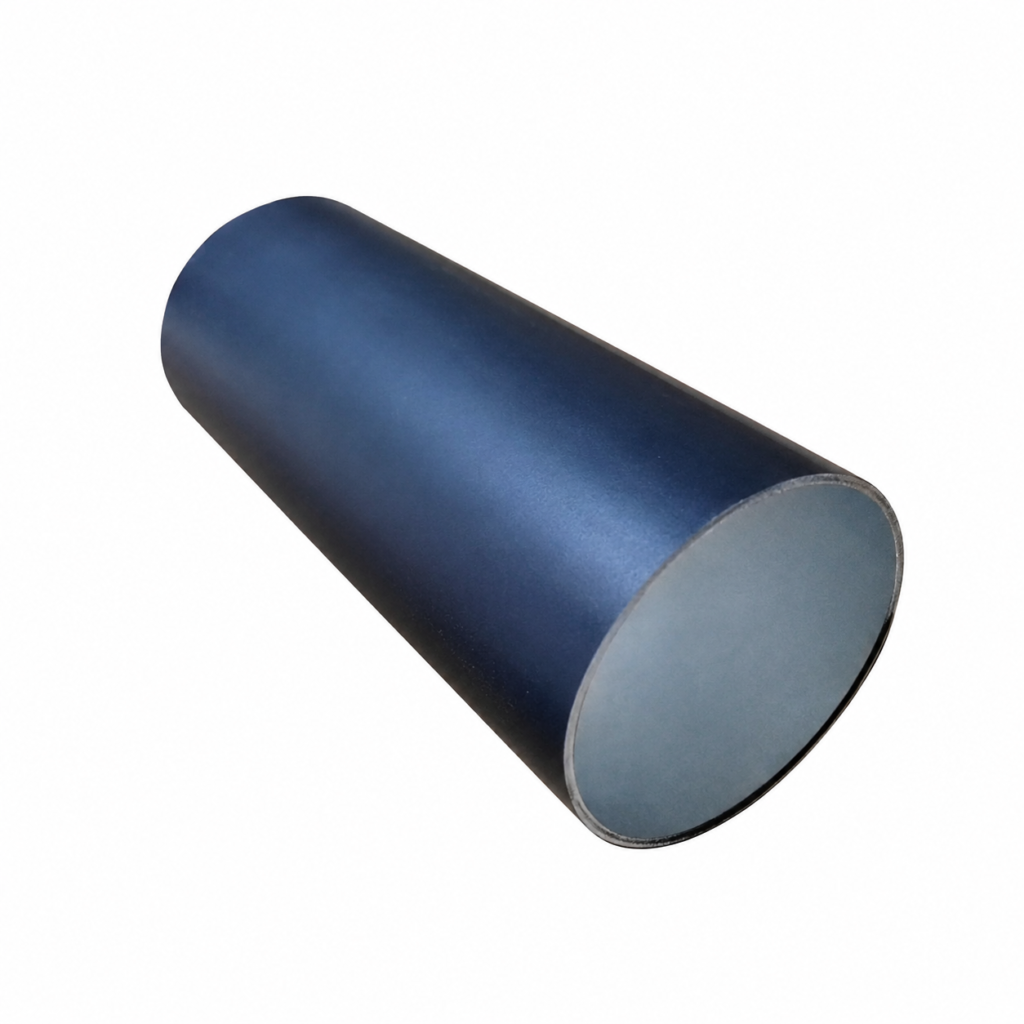
- Post cross-section
- Beam dimensions
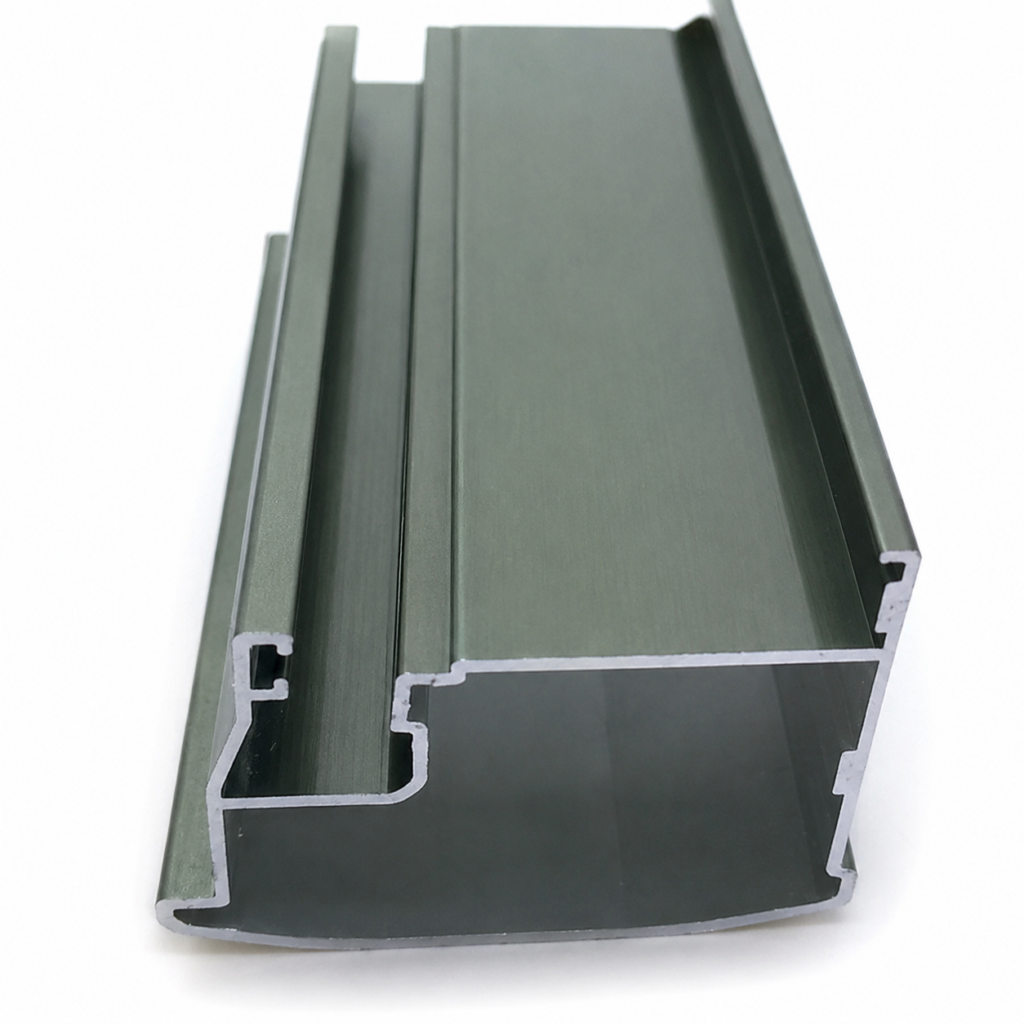
- Profile wall thickness
- Internal cavities and reinforcement
- Louver design
- Connections
- Overall span
- Number and position of posts
Two pergolas can both be described as “6063 aluminum” and still be completely different structures.
So if a quotation says only:
Premium 6063 aluminum pergola
ask for more information.
The material grade matters, but the complete system matters more.
8. Ask for Wind and Snow Information for Your Exact Configuration
This is where vague marketing language becomes risky.
Words such as “strong,” “heavy duty” and “storm resistant” are not useful specifications on their own.
If wind or snow is relevant where you live, ask what information is available for the exact size and configuration you are considering.
This is important because structural performance can depend on more than the product model.
It can also depend on:
- Width and projection
- Post spacing
- Number of connected modules
- Anchoring method
- Foundation
- Attached or freestanding layout
- Local design requirements
A performance figure taken from one small test configuration should not automatically be assumed to apply to every possible pergola size.
If your area has meaningful wind or snow requirements, provide the project location before the final structure is confirmed and check local requirements with the relevant professional or authority.
9. Plan Electricity Before the Pergola Arrives
Motorized products need power.
That sounds obvious, but the electrical route is surprisingly easy to leave until the end.
Before confirming the order, ask yourself:
- Where will power enter the pergola?
- Where will the motor and control components sit?
- Will cables be visible?
- Do I want integrated LED lighting?
- Will screens be added now or later?
- Is there safe access for future servicing?
The cleanest installations usually plan this before the pergola is assembled.
Running a new cable after paving, walls and pergola finishes are already complete is usually much less convenient.
If you are importing a motorized system, also confirm that the electrical configuration is appropriate for your destination market.
10. If You Might Want Screens Later, Say It Now
This is one of the most practical things to think about before buying.
You may not want side screens today.
After using the pergola for a summer, however, you may discover that western sun hits the dining table every evening, or that one side of the patio gets more wind than expected.
If there is even a reasonable chance that you will add motorized screens later, ask whether the pergola can be prepared for them.
Things worth discussing include:
- Available opening dimensions
- Screen cassette position
- Side guide positions
- Power supply
- Compatibility with beams and posts
- Control system
Planning for an accessory is much easier than discovering later that a structural detail prevents it from fitting cleanly.
11. Compare the Total Project Cost, Not the Pergola Price
This is probably the most useful comparison you can make when reviewing quotations.
Suppose one pergola quote is noticeably cheaper than another.
Before deciding that it is better value, check whether both prices actually include the same scope.
| Cost Item | Check Before Comparing Quotes |
|---|---|
| Pergola structure | Exact model, dimensions and modules |
| Motor and controls | Included or optional |
| LED lighting | Included, optional or not available |
| Side screens | Included or separate |
| Packaging | Export packaging and component protection |
| Freight | Included or quoted separately |
| Import charges | Who is responsible |
| Foundation | Existing surface or new work required |
| Installation | Included, local installer or self-arranged |
| Electrical work | Who connects power and controls |
| Permits | Local requirements if applicable |
| Equipment | Lift, scaffold or other access equipment if needed |
A lower product price can still become a higher project cost if important items were simply left out of the original quotation.
The 10-Minute Patio Check I Would Do Before Requesting a Quote
If you do not want to spend an afternoon measuring your garden, start with this.
Stand where the pergola would go and record the following:
- Approximate width
- Approximate projection
- Desired height
- Photo facing the house
- Photo facing away from the house
- Location of doors and windows
- Areas where posts cannot be placed
- Main direction of afternoon sun
- Where rainwater could safely discharge
- Whether you want lights or screens
That is already enough information for a much more useful first conversation than simply sending:
“How much is a 4 × 4 pergola?”
A Useful Pergola Quote Should Answer More Than the Price
Once you have sent the site information, look at the quality of the answer you receive.
A useful quotation should make it reasonably clear what is being supplied.
Depending on the project, that may include:
- Overall dimensions
- Product configuration
- Frame finish
- Roof operation
- Motor and control options
- Accessory options
- Drainage arrangement
- Packaging
- Shipping terms
- Installation documentation
If two quotes look very different in price, compare these details before comparing the final number.
What I Would Confirm Before Paying a Deposit
Before production begins, I would want one final drawing or specification that removes as much ambiguity as possible.
I would check:
- Finished width and projection
- Overall height
- Post positions
- Attached or freestanding layout
- Louver direction
- Frame color
- Drainage posts and outlet direction
- Motor configuration
- Lighting
- Screens or future screen preparation
- Electrical access
- Packaging and labeling
This is the boring part of buying a pergola.
It is also the part most likely to prevent expensive misunderstandings later.
Frequently Asked Questions
Is an aluminum pergola worth buying?
It can be a good fit if you want a permanent outdoor structure with relatively low material maintenance and the option for adjustable roof control. Whether it is worth the cost depends on how often you use the outdoor space, your climate, required features and installation conditions.
What aluminum is used for pergolas?
6xxx-series aluminum alloys are widely used for architectural extrusions. 6063 is commonly found in architectural profile applications. However, alloy and temper should be considered together with profile geometry, wall thickness, spans, connections and the complete structural design.
Are aluminum pergolas waterproof?
A properly designed closed louvered roof can collect and direct overhead rainfall through its drainage system, but the entire outdoor space should not automatically be described as completely waterproof. Wind-driven rain can enter from open sides, and drainage performance depends on the actual system and installation.
Should I choose an attached or freestanding pergola?
An attached pergola can integrate closely with the building and may use fewer posts, but the wall and fixing conditions need to be suitable. A freestanding pergola uses its own support posts and can often be positioned more independently in a patio or garden. Site conditions should determine the choice.
Can I add side screens to a pergola later?
Sometimes, but it is better to discuss this before the pergola is manufactured. Beam dimensions, opening sizes, electrical access and screen guide positions can affect whether a later installation looks clean and works correctly.
What information should I send when asking for a pergola quote?
Send the approximate width, projection, desired height, installation location, destination country and several site photographs. Also mention whether you want lighting, side screens, custom colors or other accessories.
The Best Pergola Usually Starts With Better Questions
It is easy to spend hours comparing colors, remote controls and beautiful project photos.
Those things matter, but they are rarely the details that cause problems later.
The better questions are more ordinary:
Where will the posts go?
Where will the water go?
Where is the afternoon sun coming from?
How will power reach the motor?
Can I add screens later?
What exactly is included in the price?
If you answer those before ordering, choosing an aluminum pergola becomes much less confusing.
LINGYUE manufactures configurable aluminum outdoor systems for residential and commercial projects. If you already have a patio, terrace or garden project in mind, you can send the dimensions and site photographs for a technical review rather than choosing a model from appearance alone.
Aluminum Pergola Buying Guide Checklist