Pergola export packaging has two jobs: protect the components and help the receiving team identify them. A strong package plan reduces scratches, moisture, missing hardware, unloading confusion and warranty arguments.
Table of Contents
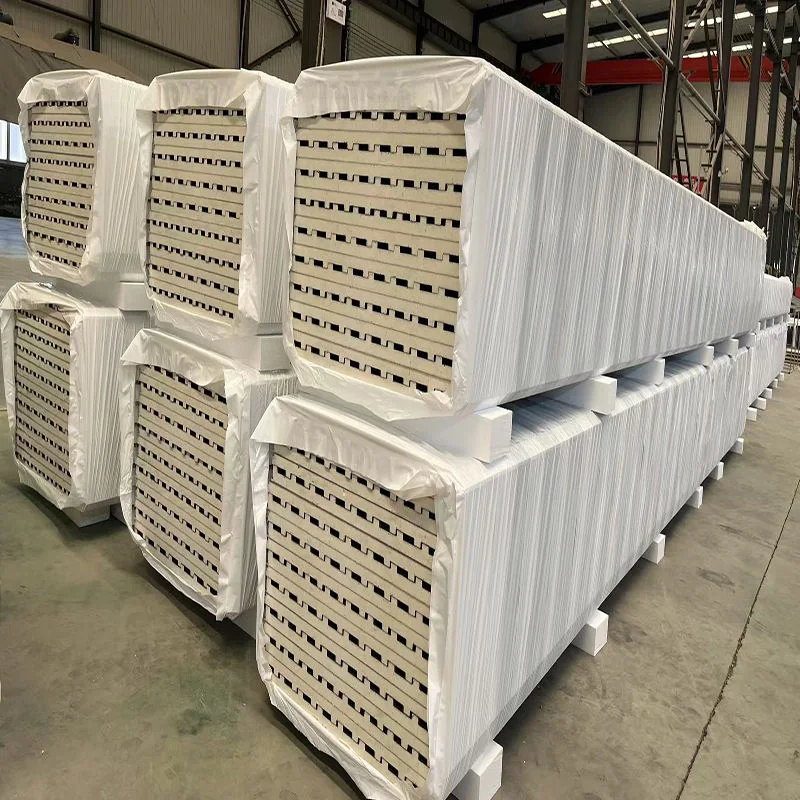
Short answer: what should packaging prove?
Pergola export packaging should show that the approved order can travel safely and be rebuilt at the destination. The plan should identify each package, protect long profiles and fragile components, control moisture and movement, state dimensions and weights, and connect the packing list to the drawing.
Packaging is part of the product specification. If a dealer cannot match a beam, motor or hardware carton to the project after arrival, the package has failed even if the crate looks intact.
12 critical packaging checks
1. Start from the approved bill of materials
List posts, beams, louvers, motors, controls, screens, lighting, fasteners, seals, tools and manuals. Each package should relate to the same model and revision used in the drawing.
Use the supplier audit guide to check that packaging follows the approved scope, not an outdated catalogue.
2. Measure long-profile constraints
Record package length, width, height and weight. Compare them with container doors, consolidation warehouses, delivery vehicles, site entrances, elevators and unloading equipment.
A slightly shorter bundle may be easier to handle than a longer bundle that requires special equipment at every transfer.
3. Protect finished surfaces
Powder-coated profiles need separators, film or other protection against metal-to-metal contact, rubbing and impact. Do not allow loose fasteners to share a surface that customers will see.
For finish-control details, connect this checklist to the powder coating aluminum pergola guide.
4. Control movement inside the case
Profiles should be restrained without pressure that bends or marks them. Use corner protection and bracing suited to the selected transport route. Ask for a packing photograph before closing the case.
5. Separate small components
Remotes, motors, drivers, bolts, brackets and seals should be placed in labeled cartons or bags tied to the module. Small parts mixed across projects create expensive installation delays.
6. Make labels readable after delivery
Use the project number, dealer SKU, model, module, package count, gross weight, handling marks and package relationship to the packing list. Put a duplicate label inside where possible.
Private-label buyers should keep reusable product identity separate from temporary transport labels. The OEM guide covers this revision-control problem.
7. Plan moisture protection
Confirm whether the route, season and storage conditions require moisture barriers, desiccant or ventilation. Packaging should not trap water against coated profiles or electrical components.
8. Check wooden packaging requirements
Solid wood cases, pallets and dunnage may be regulated in international trade. The IPPC ISPM 15 resources explain the framework for regulated wood packaging; confirm current destination implementation with your broker.
9. Match packaging with the shipping method
LCL shipments experience more handling than FCL, while consolidated freight may require stronger restraint and clearer marks. Ask the forwarder to review actual package data instead of an estimated volume alone.
10. Photograph before closing
Capture the component layout, labels, accessory count, finish, protection and final case. Keep the photos with the order record and send them to the buyer before loading.
11. Review loading and unloading instructions
State lifting points, maximum stacking, fork positions, orientation, weather protection and storage surface. Long cases can become unsafe when moved with unsuitable equipment.
12. Define the arrival inspection
Inspect seal, exterior condition, package count, labels and visible impact before unloading. Photograph punctures, crush, water marks and shifted restraint. Keep damaged packaging until the carrier, insurer and supplier complete the review.
The pergola import guide gives a broader customs and delivery workflow.
Packaging evidence checklist
| Evidence | Before loading | At arrival |
|---|---|---|
| Package count | Signed packing list | Count before moving |
| Labels | Photo of every mark | Match to drawing |
| Surface | Finish and separator photos | Photograph damage |
| Wood | Treatment/mark record | Keep until cleared |
| Weights | Gross weight and dimensions | Plan unloading safely |
Frequently asked questions
Can a supplier use one standard package for every pergola?
Not always. Dimensions, finish, accessories, route and handling method can require different protection. A standard package is acceptable only when it protects the actual order.
Who pays for transit damage?
The contract, delivery rule, insurance and evidence determine the route. Separate visible transport damage from shortage, installation error and product fault.
Should the dealer open every carton?
At minimum, inspect counts, labels, visible condition and critical components according to the agreed arrival procedure. Keep packaging until the claim window and inspection are complete.
Make packaging part of the quotation
Strong pergola export packaging protects margin and makes the installation team faster. LINGYUE can review package dimensions, loading method, destination and project volume through the export quotation form.
pergola export packaging: distributor handover checklist
For distributors, pergola export packaging should be frozen in the quotation, drawing and service record. Confirm pergola export packaging with the installer before production so the delivered system matches the approved project.
Use this pergola export packaging record to align factory references, dealer SKUs, installation notes and warranty evidence. A clear pergola export packaging process reduces rework and makes repeat orders easier to forecast.
For technical references, review the official standards guidance and keep the applicable requirement with the project file.
Export packaging and import references
Compare the factory export-preparation process, packaging inspection records, shipping FAQ and project quotation scope before loading. For wood crates and dunnage, use the official IPPC ISPM standards page; for destination tariffs and customs requirements, check Access2Markets.