Non-toxic outdoor materials cannot be identified by color, price or a supplier saying “eco-friendly.” An aluminum pergola, PVC-coated fabric, polycarbonate canopy, powder finish, rubber seal and electric motor contain very different substances. The real buyer pain point is not knowing which document proves what—or whether a laboratory report applies to the same batch, color and component being quoted.
This evidence-based guide explains how to assess material safety in awnings, rain canopies, louvered pergolas and outdoor screens. It separates the finished product from factory dust and uncured chemicals, compares potentially concerning substances, and gives buyers a practical nine-step verification checklist.
Are pergola and awning materials toxic or non-toxic?
The most useful purchasing question is therefore: Which restricted-substance, chemical and performance documents apply to each component of this exact order? ECHA explains that an article containing a REACH Candidate List substance can trigger supplier and importer obligations. This is more precise than accepting a blanket “safe material” statement.
The professional framework: hazard × exposure × use
This framework prevents two common mistakes when evaluating non-toxic outdoor materials. First, a substance can be hazardous during spraying or cutting but present very low exposure after it is cured or enclosed. Second, a finished component can look inert yet contain a restricted additive, pigment, plasticizer or plating substance. Documentation must match the physical form and intended use.
Non-toxic outdoor materials safety matrix
| Component | Normal function | What to verify |
|---|---|---|
| Aluminum profiles | Louvers, beams, posts, rails and cassette | Alloy/temper, finish, machining controls and recyclability route |
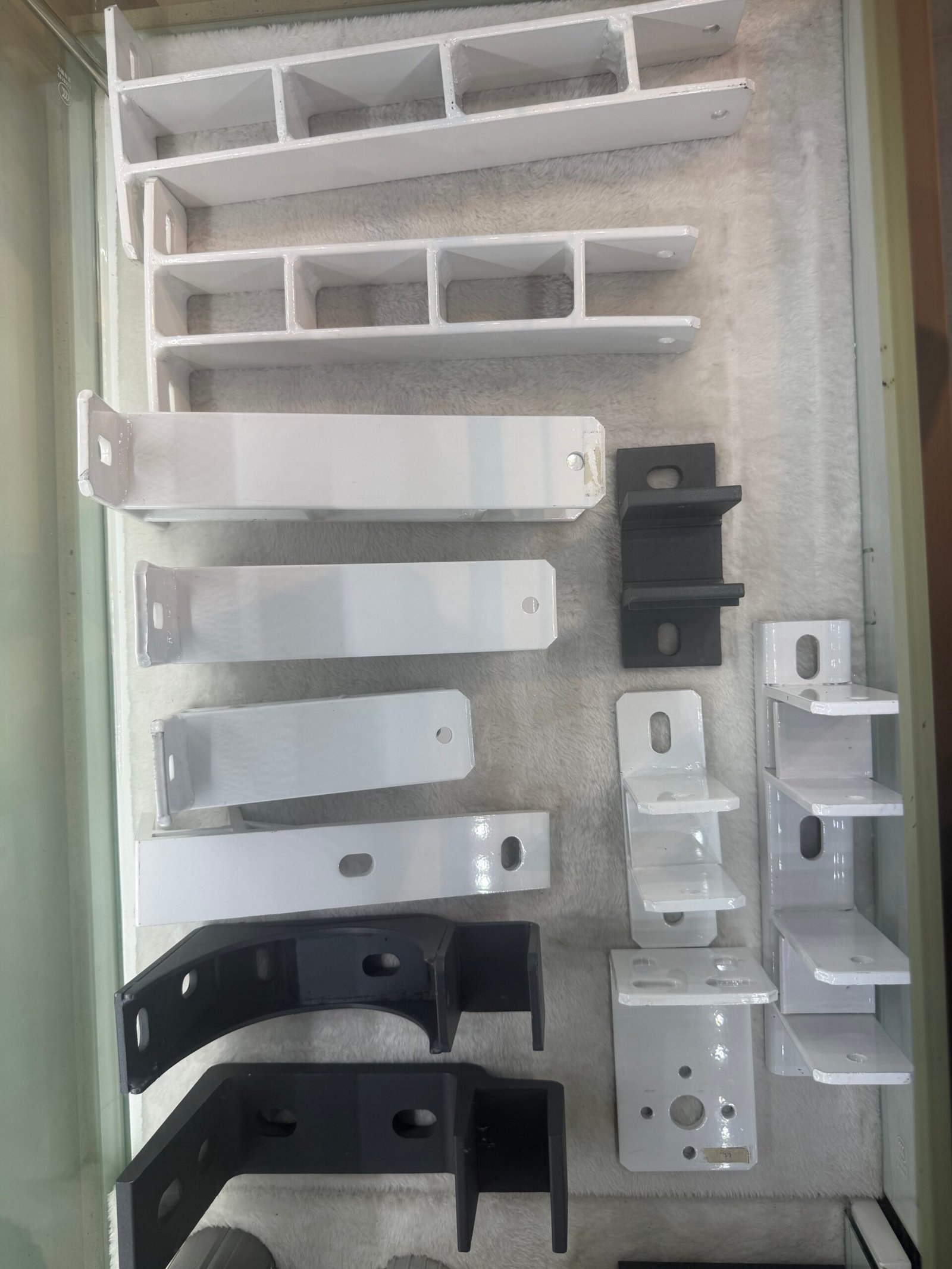
| Powder coating | Corrosion protection and color | System type, restricted substances, SDS for powder, cure control and outdoor durability |
| Acrylic/polyester textile | Awning and screen fabric | Fiber, dye/pigment, UV stability, harmful-substance testing and treatment chemistry |
| PVC-coated fabric | Water-resistant retractable roof membrane | Plasticizer/phthalate declaration, flame requirement, UV stability and destination rules |
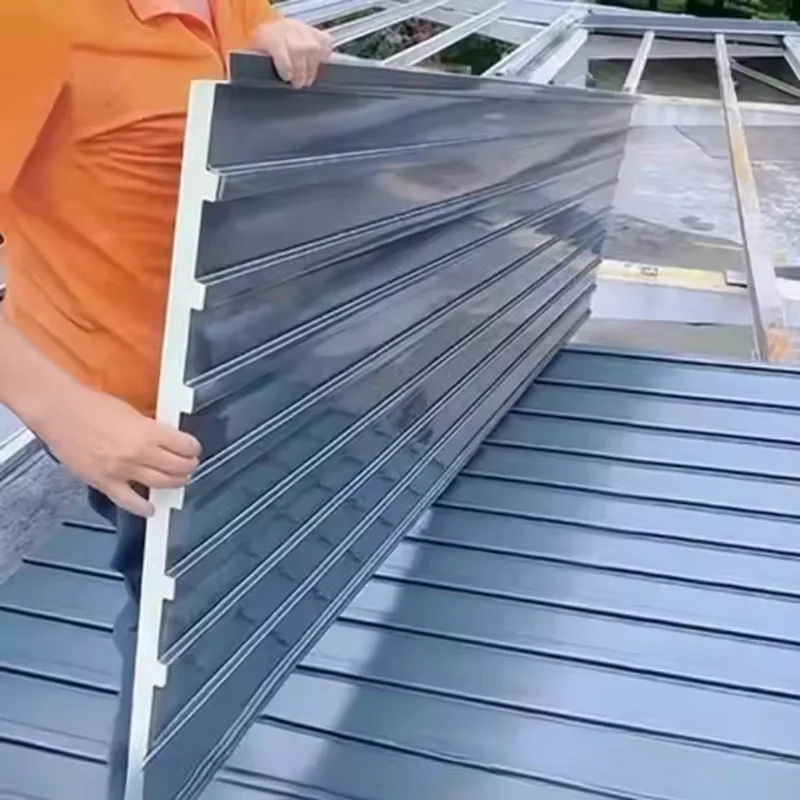
| Polycarbonate sheet | Translucent fixed canopy roof | Grade, UV layer, restricted-substance declaration, fire classification and sheet warranty |
| Seals and gaskets | Water control, cushioning and movement | Polymer type, additives, UV/temperature range and replacement availability |
| Motor and controller | Powered movement | Electrical safety, RoHS scope, cable materials, ingress protection and market approvals |
| Fasteners and plating | Structural connections | Grade, coating/plating chemistry, corrosion compatibility and restricted heavy metals |
1. Aluminum: stable in service, different risks during fabrication
Extruded aluminum is widely used because it is strong for its weight, dimensionally stable, corrosion resistant when correctly finished and readily recyclable through established metal streams. In an installed pergola, the solid profile does not create the same exposure as cutting, grinding or welding operations.
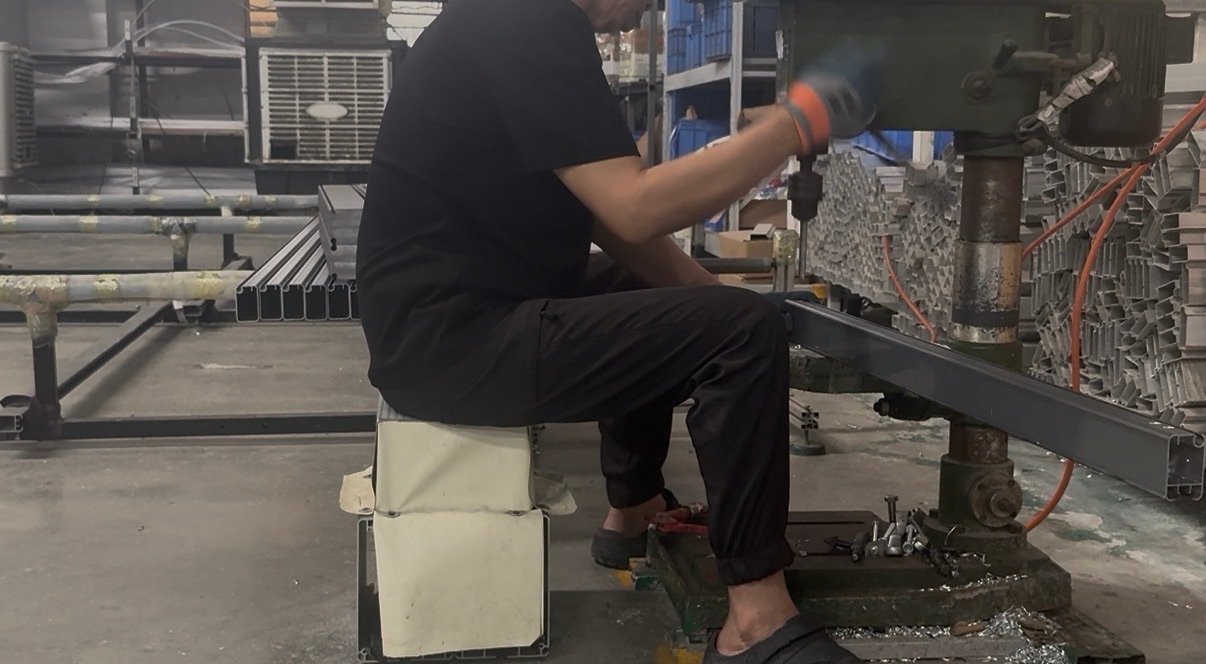
Factory controls still matter. OSHA’s hazard-communication framework requires hazardous chemical information to be communicated through labels and safety data sheets, while occupational limits address dusts and fumes created during processing. The practical procurement lesson is to evaluate both the finished article and the manufacturing process—not to label all aluminum “toxic” because machining dust requires control.
2. Powder coating: low-VOC potential does not mean zero questions
Powder coating applies dry powder electrostatically and cures it into a continuous film. The U.S. EPA lists powder coatings among common low- or no-VOC/HAP coating approaches, while also noting that “low/no” is not a definitive statement about every formulation. Buyers should request the exact powder product identification, supplier data, restricted-substance declaration and relevant SDS.
Cure temperature and time affect adhesion and durability. Pretreatment, film thickness and weathering performance determine whether the finish continues protecting the aluminum. A responsible factory controls spraying and curing conditions; a responsible buyer confirms that the evidence matches the selected color and coating system.
3. Awning and screen fabrics: fiber is only part of the chemistry
Outdoor textiles may use solution-dyed acrylic, polyester, PVC-coated polyester or mesh structures. Colorants, UV stabilizers, water-repellent treatments, flame retardants and plasticizers can matter as much as the base fiber. Ask whether the test covers the finished dyed/coated textile rather than an uncolored raw yarn.
OEKO‑TEX STANDARD 100 is one recognized harmful-substance testing system for textiles and accessories. It is useful evidence when applicable, but it is not a structural, waterproofing or weathering certificate. Match the certificate number, article name, validity and product class to the supplied fabric.
4. PVC-coated membranes: ask about plasticizers, not just PVC
PVC can be formulated with different plasticizers, stabilizers, pigments and flame-retardant packages. ECHA’s REACH restrictions address certain phthalates in plasticized materials under defined uses and concentration limits. Therefore “PVC-free” and “phthalate-compliant” are different claims, and outdoor-only exemptions or use conditions should not be generalized to every market.
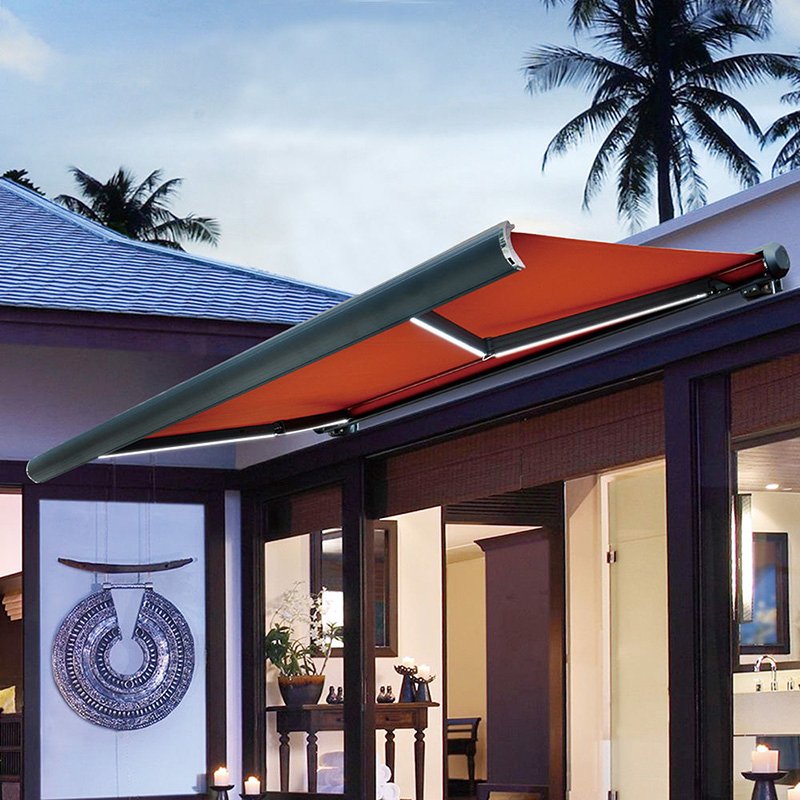
For a retractable roof membrane, request the coated-fabric specification, restricted-substance declaration, mass per area, tensile/tear performance, UV and temperature range, flame requirement and maintenance instructions. Chemical compliance does not prove mechanical durability, and mechanical strength does not prove chemical compliance.
5. Polycarbonate canopy panels: grade and use matter
A solid or multiwall polycarbonate sheet can provide daylight, impact resistance and lower weight than glass. It should not be judged by food-contact discussions about unrelated polycarbonate products. For an outdoor canopy, the relevant evidence includes sheet grade, UV-protective layer, restricted substances, fire classification where required, impact/hail performance and installation compatibility.
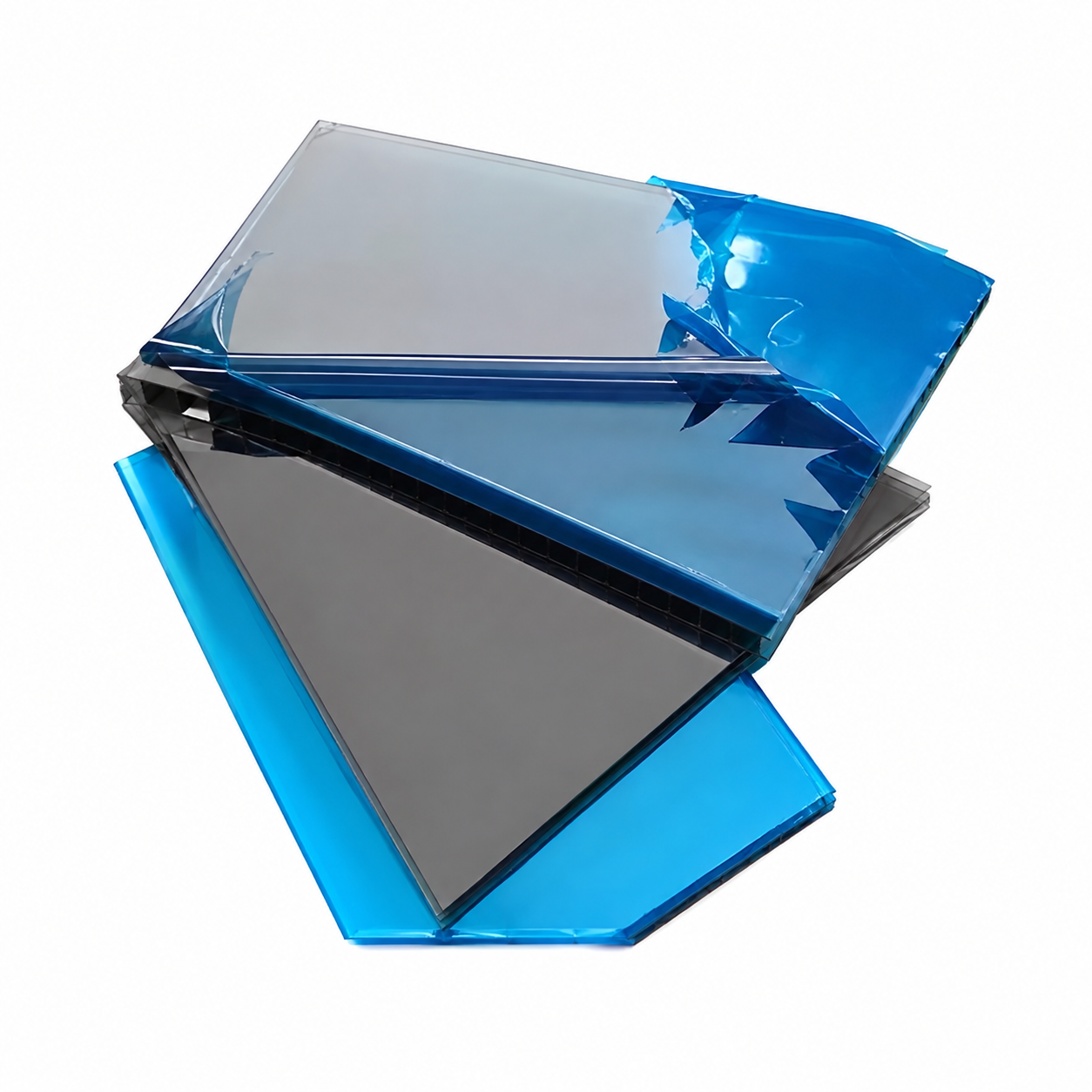
Where fire behavior is part of approval, request the exact specimen thickness and classification. UL explains that UL 94 ratings describe small-scale burning behavior under controlled test conditions; they do not by themselves certify a complete patio canopy or predict every real fire scenario.
6. Motors, controls, cables and LEDs: check electrical substances separately
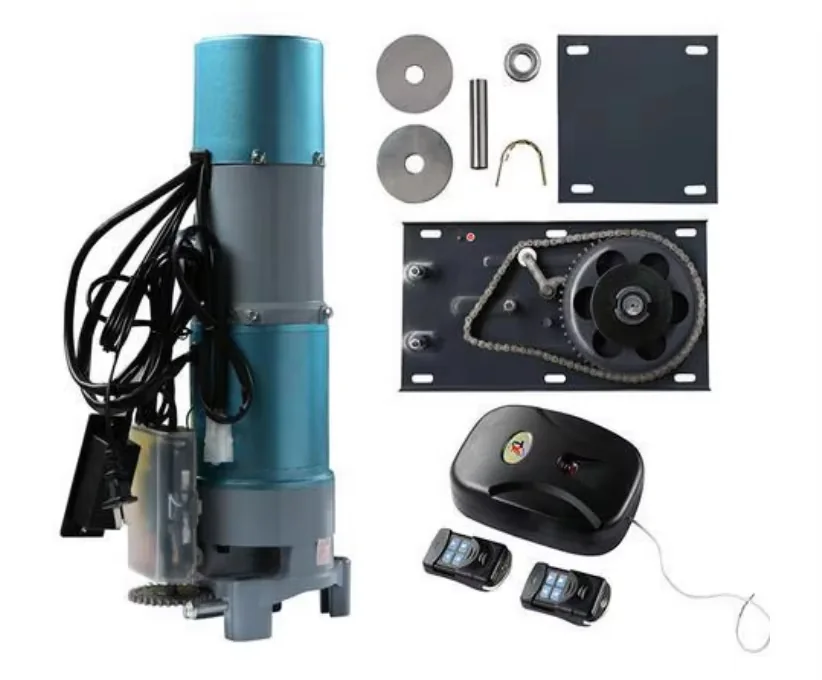
Motorized outdoor products add circuit boards, solder, cables, connectors, batteries in remotes and LED modules. The European Commission states that the RoHS framework restricts ten hazardous substances in covered electrical and electronic equipment. Scope and exclusions require product-specific interpretation, so request the motor/control manufacturer’s applicable declaration rather than assuming the aluminum frame’s paperwork covers electronics.
What each safety document can—and cannot—prove
| Document | Useful for | Does not automatically prove |
|---|---|---|
| SDS | Hazards, composition ranges, handling and emergency information for a substance/mixture | That every finished article is “non-toxic” or legally compliant worldwide |
| REACH declaration/test | Specified substances, scope and sample | Mechanical strength, fire behavior or a different color/batch |
| RoHS declaration/test | Restricted substances in covered electrical/electronic equipment | Whole pergola chemical safety outside its scope |
| Textile certificate | Harmful-substance criteria for identified textile articles | Waterproofing, UV life or complete awning safety |
| Fire test | Defined specimen behavior under a named method | Full-building fire performance in every installation |
| Supplier declaration | Traceability and compliance responsibility | Independent laboratory verification unless supported by reports |
OSHA describes safety data sheets as part of a standardized hazard-communication system for hazardous chemicals. An SDS is valuable, but it is not a universal consumer-product certificate. Always read the product identifier, revision date, supplier, use, hazard classification and composition sections before attaching it to a finished-order compliance file.
9 safety checks for non-toxic outdoor materials
- Define the destination market and intended use. Residential, hospitality, school, child-accessible, food-service and purely industrial installations may require different evidence.
- Request a component-level bill of materials. Separate aluminum, finish, fabric/panel, seals, fasteners, motor, controller, cables and accessories.
- Match every report to the order. Check supplier, article number, color, thickness, sample, date, standard and validity.
- Review REACH/SVHC declarations. Confirm the Candidate List date and article-level communication obligations relevant to the importer.
- Check RoHS where electrical scope applies. Motors, controllers, LEDs and power supplies should not be hidden under a frame-only declaration.
- Ask about textile treatments and plasticizers. Fiber or PVC names alone do not identify dyes, coatings, flame retardants or phthalates.
- Separate factory hazards from installed exposure. Cutting dust, uncured powder and cleaning chemicals require workplace controls even when the finished article has low routine exposure.
- Verify fire and weather performance independently. Chemical compliance cannot replace wind, snow, UV, corrosion, flame or electrical testing.
- Preserve traceability. Keep approved samples, drawings, declarations, reports, labels and packing records with the project file.
How LINGYUE’s product structure supports safer procurement
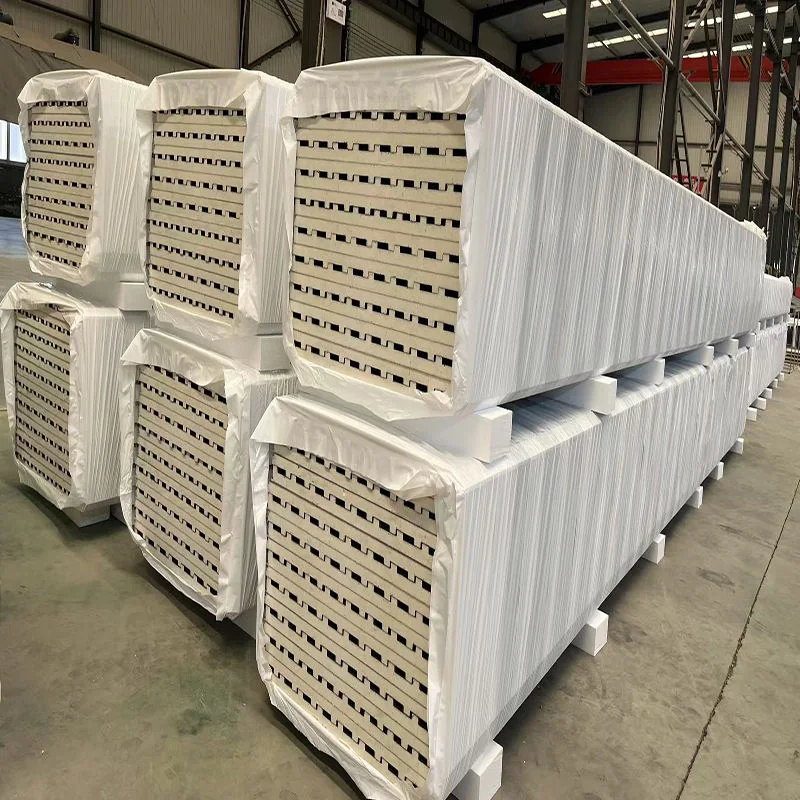
LINGYUE outdoor systems use identifiable, replaceable component groups: extruded aluminum profiles, powder-coated brackets, roof or textile materials, fasteners, drainage parts, motors and controls. This modular structure makes non-toxic outdoor materials easier to specify, trace and service than a mixed-material assembly with unknown adhesives and sealed non-serviceable mechanisms.
Buyers should still define the required evidence before production. Use the quality-control process to discuss inspections, review the factory workflow, and include document requirements in the approved quotation and order—not in a last-minute shipping request.
Product and factory videos
Explore the complete product video collection and compare how material choices change across a louvered pergola, polycarbonate rain canopy, full cassette awning and zip screen.
Non-toxic outdoor materials FAQ
Is aluminum pergola material non-toxic?
Finished solid aluminum in normal outdoor service is a different exposure from aluminum dust or fumes during fabrication. Evaluate the finish, fasteners and other components separately, and maintain workplace controls for cutting or grinding.
Is powder coating safer than liquid paint?
Powder coating can reduce solvent-related VOC emissions, but formulations and workplace hazards vary. Request the exact powder’s SDS and restricted-substance evidence, and verify curing and outdoor durability.
Is PVC awning fabric toxic?
The letters PVC do not answer the question. Plasticizers, stabilizers, pigments, flame retardants, concentration, exposure and intended use matter. Review the finished coated-fabric declaration and relevant restrictions.
Does an SDS prove a finished pergola is safe?
No. An SDS communicates hazards for an identified substance or mixture. A finished pergola needs component traceability plus the declarations, tests and approvals relevant to its market and use.
What should buyers request before production?
Request the bill of materials, approved samples, component specifications, relevant REACH/RoHS or textile declarations, SDS where applicable, fire/electrical evidence when required, report validity and document traceability to the purchase order.
Specify non-toxic outdoor materials before approving the price
A safer outdoor system begins with a precise component list and a realistic compliance scope. Tell LINGYUE the destination market, application, contact level, electrical configuration and required documents so the quotation can reflect the right material and verification path.