A pergola installation partner is part of the product experience, not a separate labor line. The right installer protects the approved drawing, records the installation, commissions the system and gives the dealer evidence when a customer needs support.
Short answer: what makes a good installation partner?
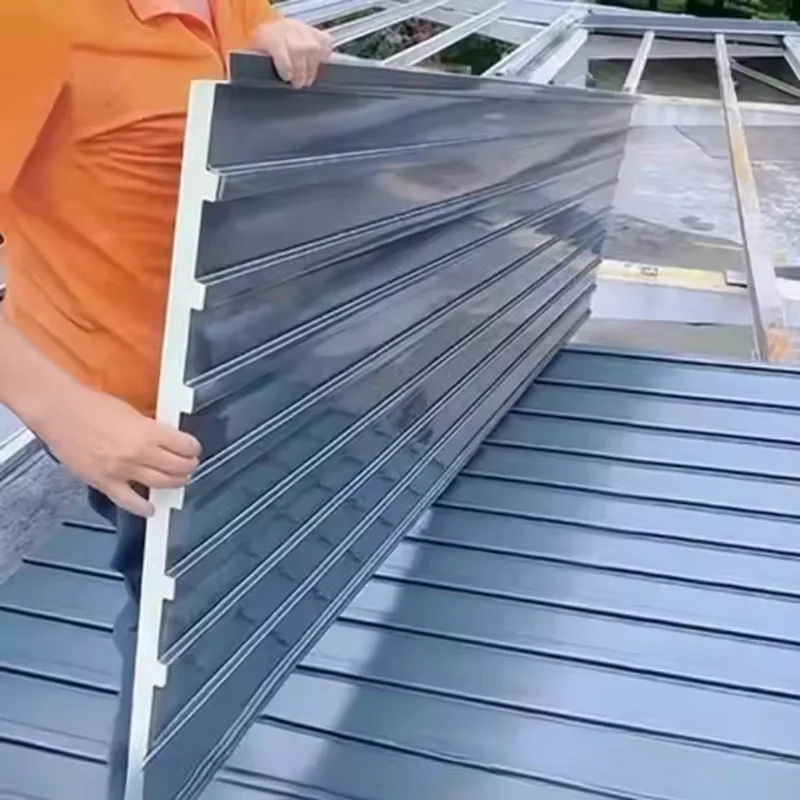
A good pergola installation partner can read the approved drawing, verify site conditions, coordinate foundations and electrical work, install the system without uncontrolled changes, complete commissioning and document the handover. They also know when to stop and escalate a structural or electrical question.
Distributors should qualify the business, not only the individual technician. A partner needs insurance, safe-work procedures, tools, storage discipline, project communication and enough capacity for the promised delivery schedule.
10 steps for a reliable partner network
1. Define the product scope
List the systems the pergola installation partner must handle: louvered roofs, retractable fabric roofs, zip screens, awnings, parasols or fixed canopies. Each system has different lifting, drainage, electrical and commissioning requirements.
Use the LINGYUE product range to build a capability matrix instead of assuming one installer can handle every configuration.
2. Verify practical experience
Ask for recent project photographs, references, crew size, travel radius and examples of work on similar substrates. A partner who installs residential patio products may need additional training before taking on a multi-bay hospitality project.
Look for evidence of careful measurement, weather sealing, cable routing, drainage and customer handover—not only attractive finished photographs.
3. Check insurance and safety controls
Confirm public liability, employer coverage where applicable, working-at-height procedures, lifting plans and electrical competence. Local law governs the exact requirements, so the distributor should obtain professional advice for each market.
Do not let a delivery deadline pressure the partner into skipping site controls. A preventable incident can damage the dealer relationship and the brand.
4. Use a pre-installation survey
Before the crew arrives, record finished dimensions, substrate, access route, lifting equipment, drainage outlet, electrical supply, foundation status and weather exposure. Compare the site record with the approved drawing.
The commercial outdoor shading specification guide includes a useful responsibility matrix for project surveys.
5. Freeze scope and changes
A pergola installation partner should never change post position, motor side, drainage route or fixing method based only on a site conversation. Record the issue, obtain approval and update the drawing or change order before proceeding.
One controlled revision protects the installer, dealer and customer when a later service question arises.
6. Train on labels and components
Every package, profile, motor and control should be matched to the order. Train the crew to photograph labels before installation and keep spare hardware separated from other projects.
For private-label ranges, map the dealer SKU to the factory model using the OEM revision-control guide.
7. Use installation hold points
Hold points are checks completed before work becomes hidden or difficult to correct. Typical points include foundation position, frame level and square, anchors, drainage, electrical routing, louver alignment and screen travel.
Require a photo or signed checklist at each agreed point. This is faster and more useful than trying to reconstruct the installation months later.
8. Commission the system in front of the customer
Operate the roof through approved travel, check unusual noise, verify remote channels, test lighting and screens, inspect drainage and confirm safe stop controls. Record the initial condition with photographs or a short video.
Use the motorized pergola controls checklist when the project has multiple motors or smart-home interfaces.
9. Complete a useful handover
The customer should receive the operating guide, cleaning instructions, weather limitations, maintenance interval, emergency contact and warranty route. Explain what the user should not dismantle or adjust.
A concise handover reduces misuse and gives the dealer support team the information needed for a first diagnosis.
10. Review performance after every project
Track rework, missing parts, call-backs, travel time, commissioning issues and customer feedback. Review the data with the pergola installation partner monthly and update training where a pattern appears.
Partner scorecard
| Capability | Evidence | Pass standard |
|---|---|---|
| Technical | Similar project references | Can explain the installation sequence |
| Safety | Insurance and procedures | Stops when scope is unsafe or unclear |
| Documentation | Photos and checklists | Every project has a complete record |
| Service | Response process | Communicates before a small issue grows |
| Capacity | Crew and travel plan | Can meet agreed dates without rushing |
Frequently asked questions
Should the factory install every project?
Not always. Local partners can provide faster response and market knowledge, while the factory can provide drawings, training and escalation support. Define the boundary clearly.
How long should installer training take?
It depends on the system and local competence. Start with a supervised pilot, assess the checklist and expand the partner’s scope only after successful commissioning.
Who owns an installation mistake?
The contract should define responsibilities, evidence and correction steps. Separate product fault, transport damage, installation error and site change before assigning cost.
Turn installation into a dealer advantage
A trained pergola installation partner protects your margin, reputation and repeat orders. LINGYUE supports distributors with drawings, product information, quality control and after-sales coordination. Share your market, installer model, annual volume and product range through the partner discussion form.
pergola installation partner: distributor handover checklist
For distributors, pergola installation partner should be frozen in the quotation, drawing and service record. Confirm pergola installation partner with the installer before production so the delivered system matches the approved project.
Use this pergola installation partner record to align factory references, dealer SKUs, installation notes and warranty evidence. A clear pergola installation partner process reduces rework and makes repeat orders easier to forecast.
For technical references, review the relevant guidance from the official standards organisation and keep the applicable requirement with the project file.
Installation and code references
Use the application solutions, quality-control process, after-sales workflow and pergola product specification to define installer handover points. For building-safety context, consult the ICC I-Codes and OSHA guidance on portable-ladder safety; local authorities and qualified professionals remain the final reference.