Pergola landed cost is the amount you must recover before a project becomes profitable. It is not the factory invoice. A reliable model includes the product, delivery, compliance, installation, claims and the time your team spends making the order work.
Table of Contents
Short answer: what is pergola landed cost?
Pergola landed cost is the total cost of getting an approved pergola configuration to the buyer’s usable delivery point. It normally includes the supplier invoice, export packaging, origin charges, freight, insurance, destination fees, duty, taxes where not recoverable, inspection, local delivery, unloading and an allowance for damage or shortage.
A distributor should also model technical costs that sit after delivery: site survey, drawings, foundations, lifting, assembly, electrical work, commissioning, training and warranty handling. If those costs are excluded, the quoted margin is only theoretical.
9 cost lines every distributor should track
1. Approved product and options
Start the pergola landed cost review with the final configuration, not a catalogue base price. Record dimensions, bays, finish, louvers or fabric, motor, controls, lighting, screens, drainage, fasteners and included documents. A change to one accessory can alter package count and installation labor.
Use the pergola manufacturer audit to verify that the quotation matches the drawing and bill of materials.
2. Export packaging and origin handling
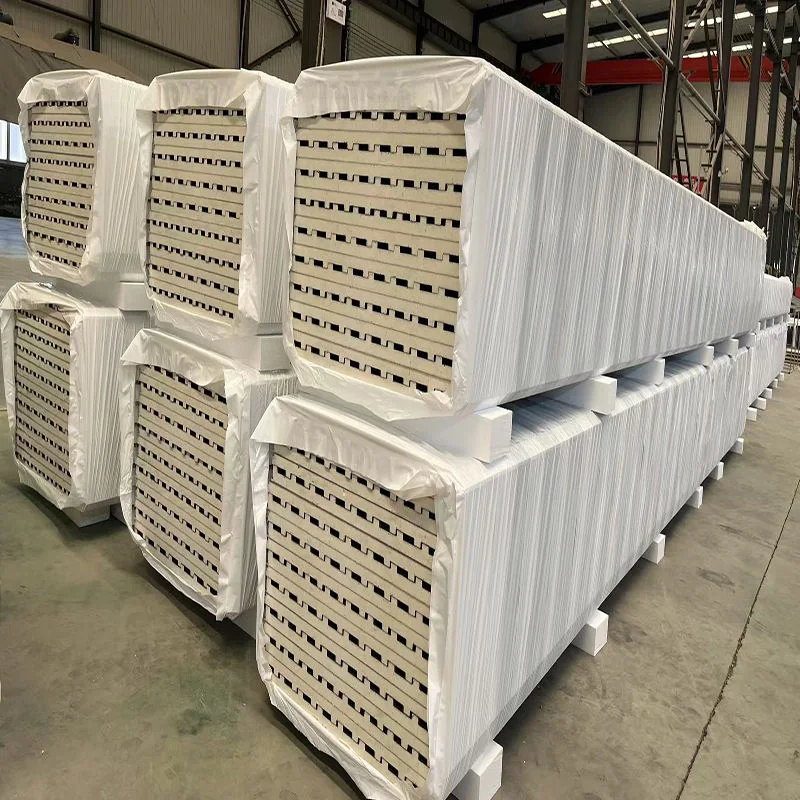
Long profiles may require reinforced cases, corner protection, moisture protection and order-based labels. Add packing charges, factory loading, local trucking and export documentation. Request package dimensions and weights before you ask for freight rates.
The pergola export packaging checklist explains how to connect package design with damage prevention and receiving labor.
3. Freight and insurance
Compare FCL, LCL, air freight for urgent parts and consolidated shipments using actual package data. Long crates can create a higher dimensional charge than a simple cubic-meter estimate suggests.
Insurance should be a deliberate line in the pergola landed cost model. Confirm what evidence is required for a claim and whether the carrier, broker or buyer submits it.
4. Incoterms and named place
Delivery terms allocate tasks, costs and risks but do not replace the sales contract. Write the rule, named place or port and edition in the quotation. The International Chamber of Commerce Incoterms reference is the right starting point for this discussion.
5. Customs, duty and taxes
Classification depends on the product and destination tariff schedule. A motorized pergola may involve aluminum profiles, electrical components, fabric or polycarbonate, and a code used for a simple canopy may not apply to a complete system.
EU buyers can use the European Commission Access2Markets guidance to locate tariffs, rules of origin and import formalities, then confirm the decision with a qualified broker.
6. Destination and delivery handling
Add terminal charges, brokerage, storage, local trucking, appointment fees, forklift or crane hire and unloading. Confirm access hours, street restrictions, safe storage and the person who signs for the shipment.
Residential streets, underground parking and narrow site entrances can turn a nominal delivery charge into a project delay. Put exclusions in the customer quotation.
7. Installation and commissioning
Technical labor often determines whether a pergola project is profitable. Include survey, drawings, foundations, anchors, lifting, assembly, electrical work, commissioning, customer training and travel.
For a serviceable network, compare the pergola installation partner program guide with your current installer rates and scope boundaries.
8. Damage, shortage and warranty allowance
Set an allowance for inspection time, missing hardware, transit damage and replacement parts. A clear packing list and arrival record reduce the cost, but they do not eliminate every claim.
Your model should distinguish freight damage, installation error, product fault and customer misuse. The dealer warranty claim process shows how to keep those categories separate.
9. Sales and working-capital cost
Include drawing revisions, samples, photography, advertising, payment fees, financing cost, inventory space and the time your staff spends coordinating the order. A product with a higher invoice price can produce a stronger margin when its documentation and support reduce hidden labor.
Simple pergola landed cost formula
Landed cost = product + options + export packing + origin charges + freight + insurance + destination charges + duty/tax + inspection + local delivery + unloading + damage allowance + technical service.
Keep each line visible. Do not bury freight, tax or installation inside one “miscellaneous” number because that makes the next quotation impossible to compare.
Example worksheet
| Cost line | Record | Evidence |
|---|---|---|
| Product and options | Approved quotation total | Drawing and BOM |
| Packaging | Cases, cartons and labels | Packing plan |
| Freight | Route and shipment type | Forwarder quote |
| Import | Duty, taxes and brokerage | Broker estimate |
| Delivery | Local transport and unloading | Delivery plan |
| Technical | Survey, install and commissioning | Installer scope |
| Risk | Damage and warranty allowance | Claim history |
Frequently asked questions
Should the customer see every cost line?
The customer should see clear inclusions and exclusions. You may present one project price, but your internal pergola landed cost worksheet should retain the detailed lines.
Does FOB equal landed cost?
No. FOB is a delivery rule for a named port; it does not include every destination and installation cost. Add the full route before setting a margin.
How often should the model be updated?
Update freight, duty, labor and damage assumptions for every new route or major configuration. Review actual versus estimated cost after each shipment.
Quote with evidence, not optimism
A strong pergola landed cost model gives dealers confidence to quote, negotiate and scale. LINGYUE can review your dimensions, package plan, destination, annual volume and support scope through the project quotation form.
Cost references for import planning
Pair this worksheet with the factory and export-preparation page, the quality-control records and the project quotation form so every cost line is tied to a real scope. The European Commission Access2Markets tool can be used to check destination tariffs, customs procedures, taxes and product requirements; confirm the final classification with a customs professional.